Athletes in custom uniforms

Crea uniformes de equipo personalizados

Diseña en línea en minutos.
Envía para cotización.

Comprar ahora
152 productos
Ordenar por
Filtrar

Filtrar

1 2 3 4 Página siguiente

More About SPC Sports Béisbol Equipo de Receptor

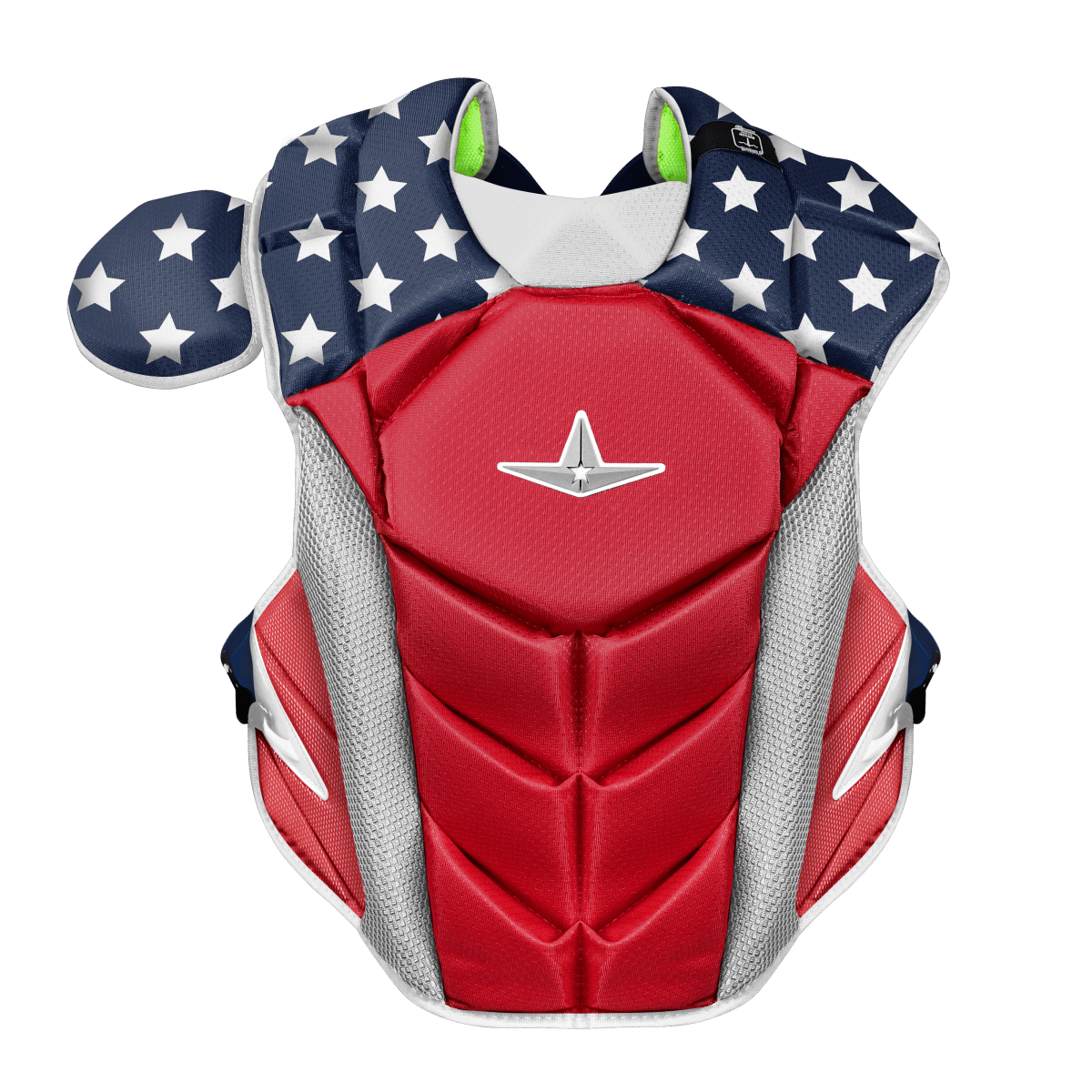
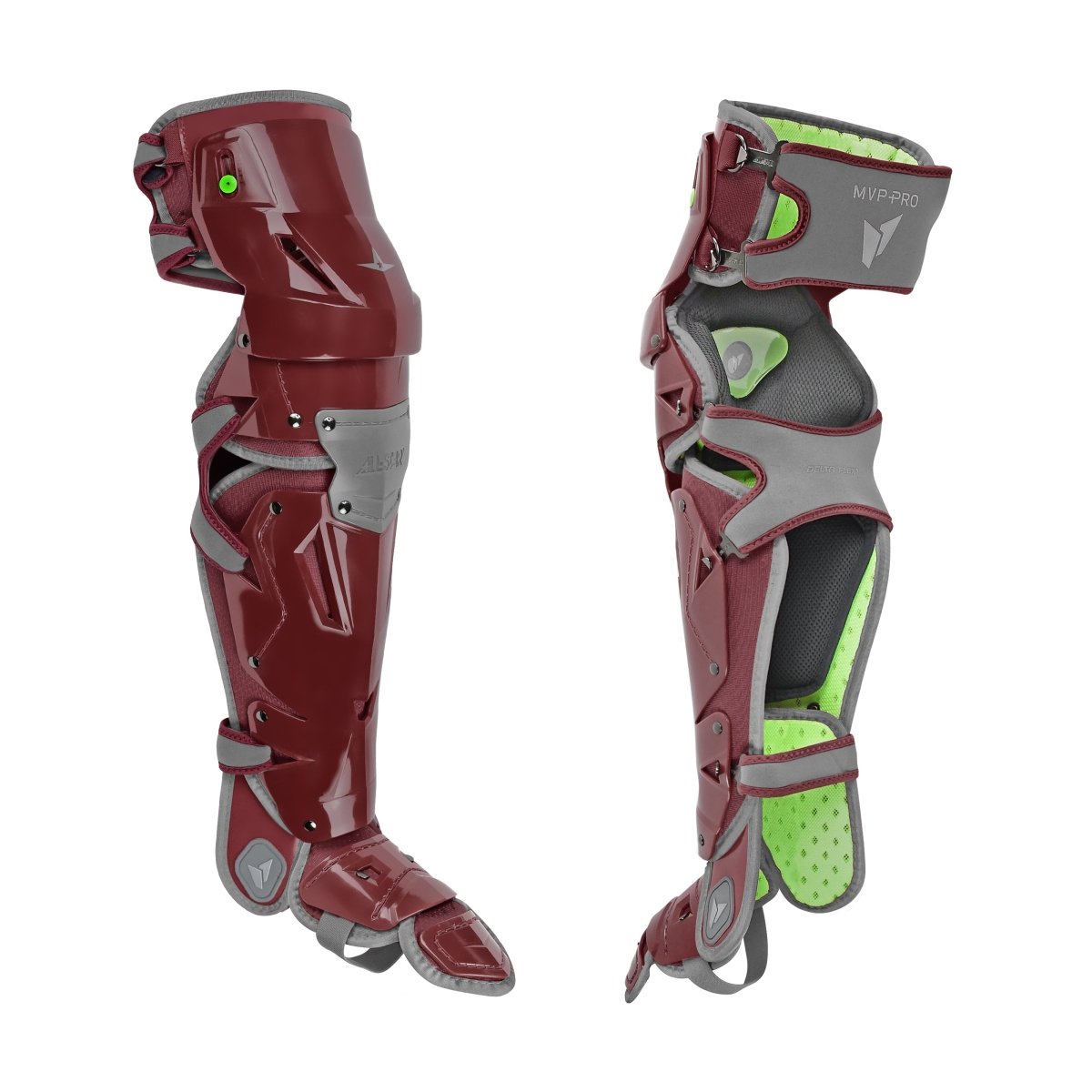
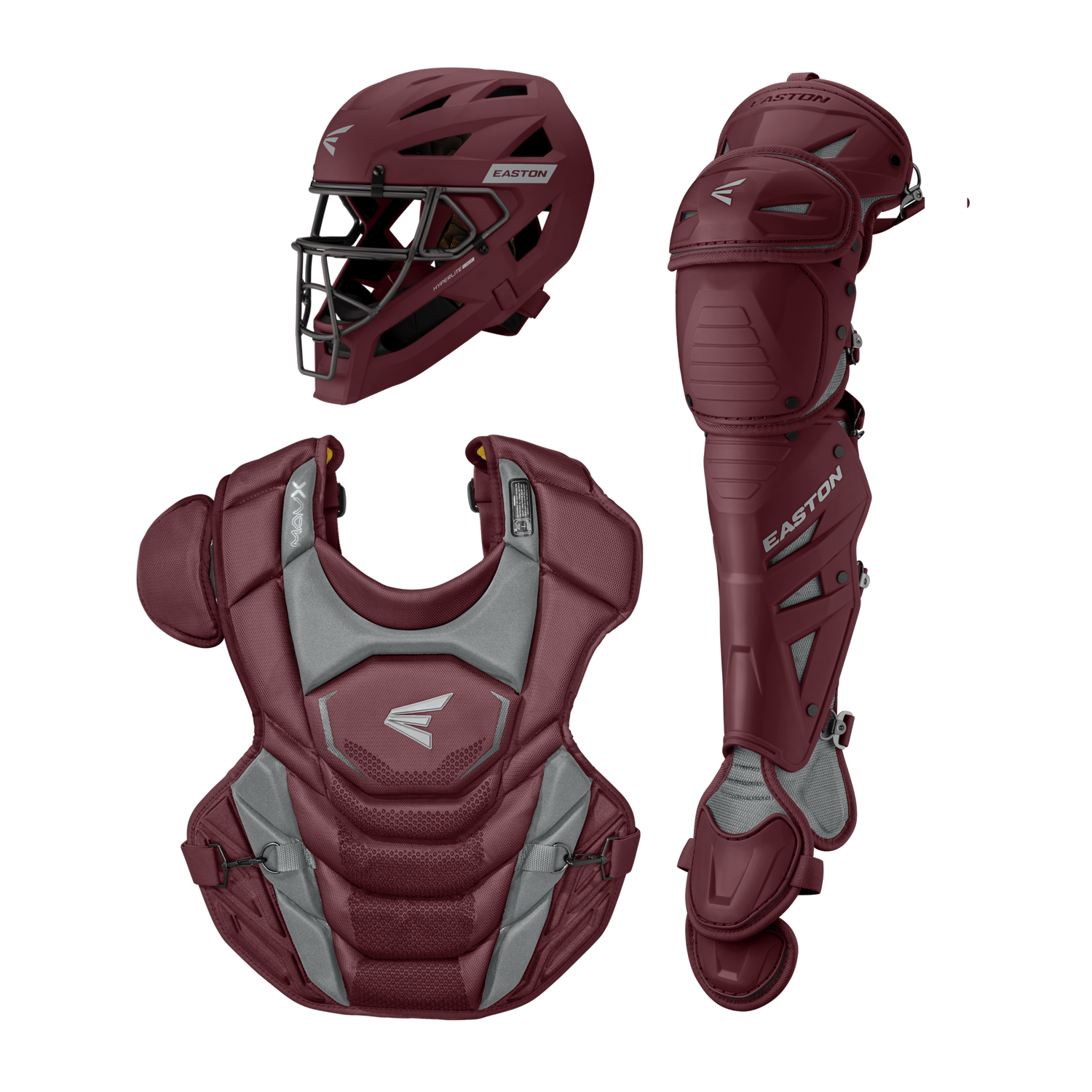
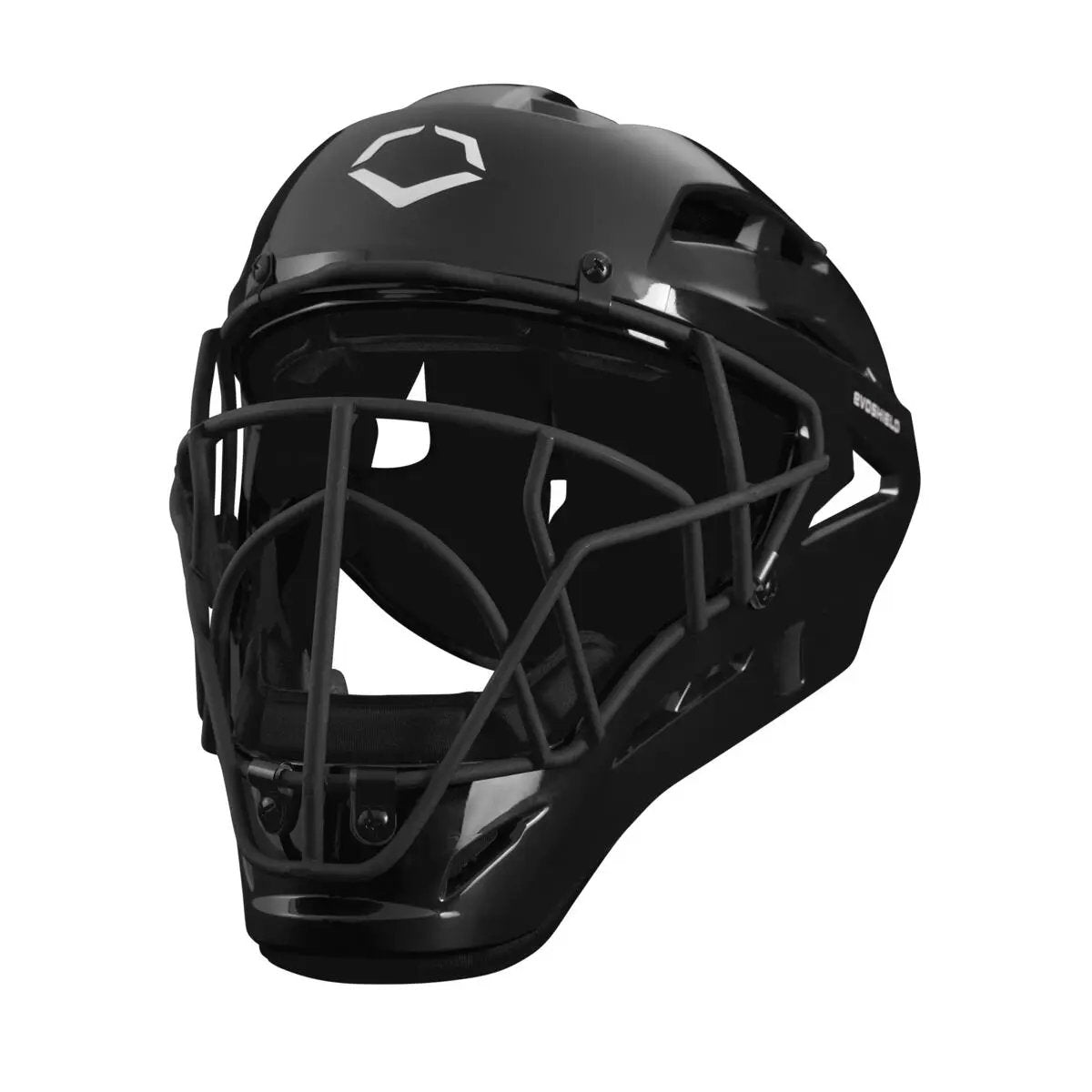
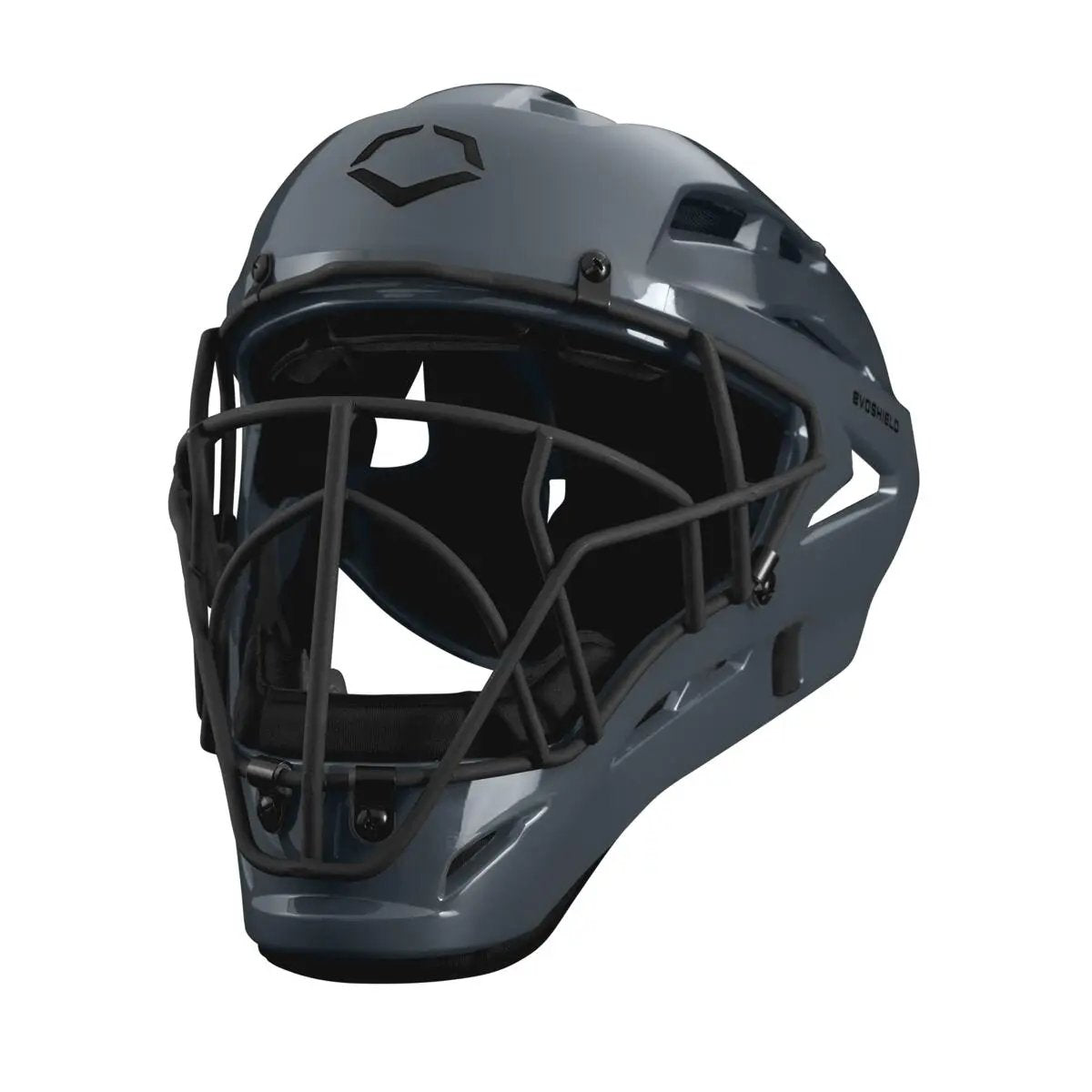
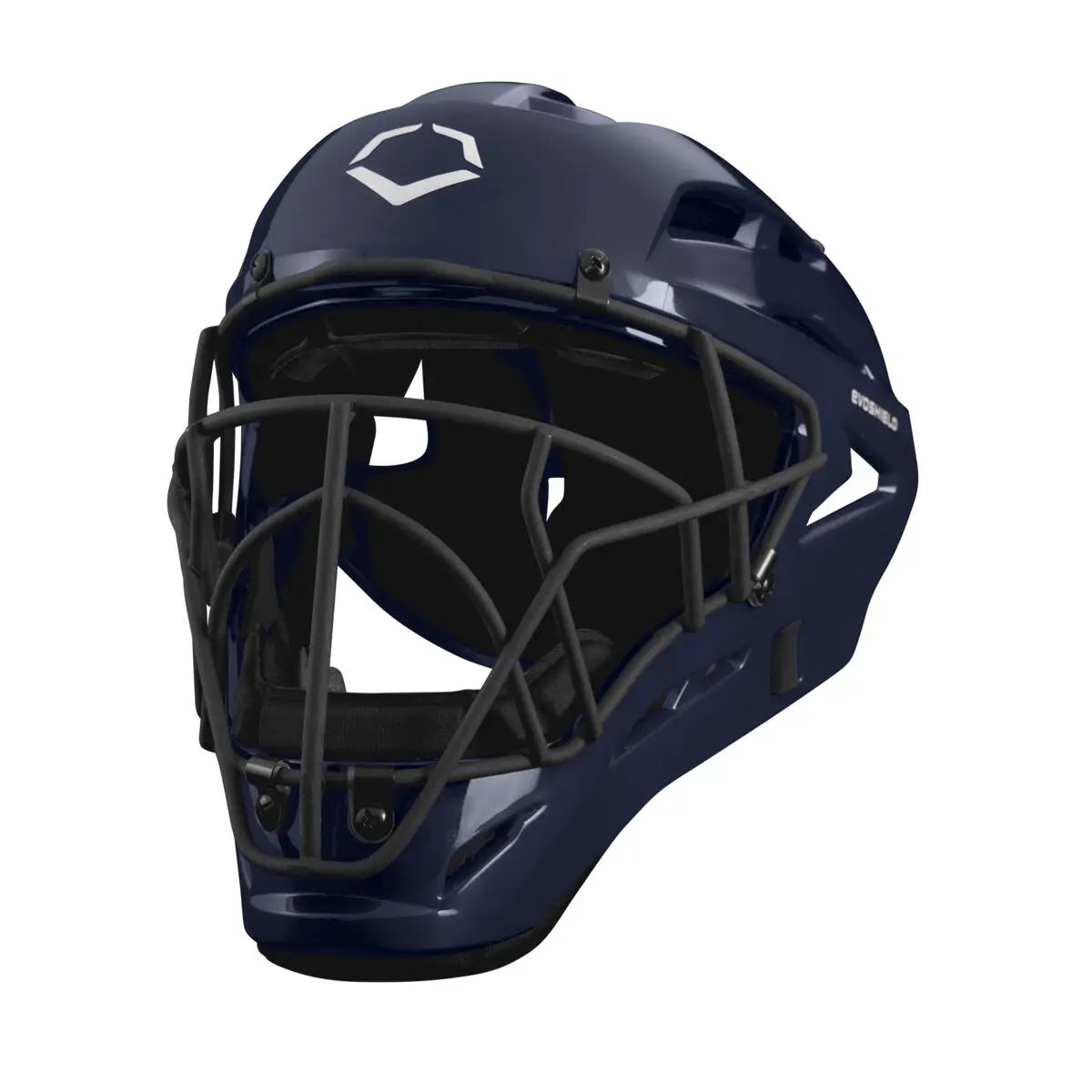
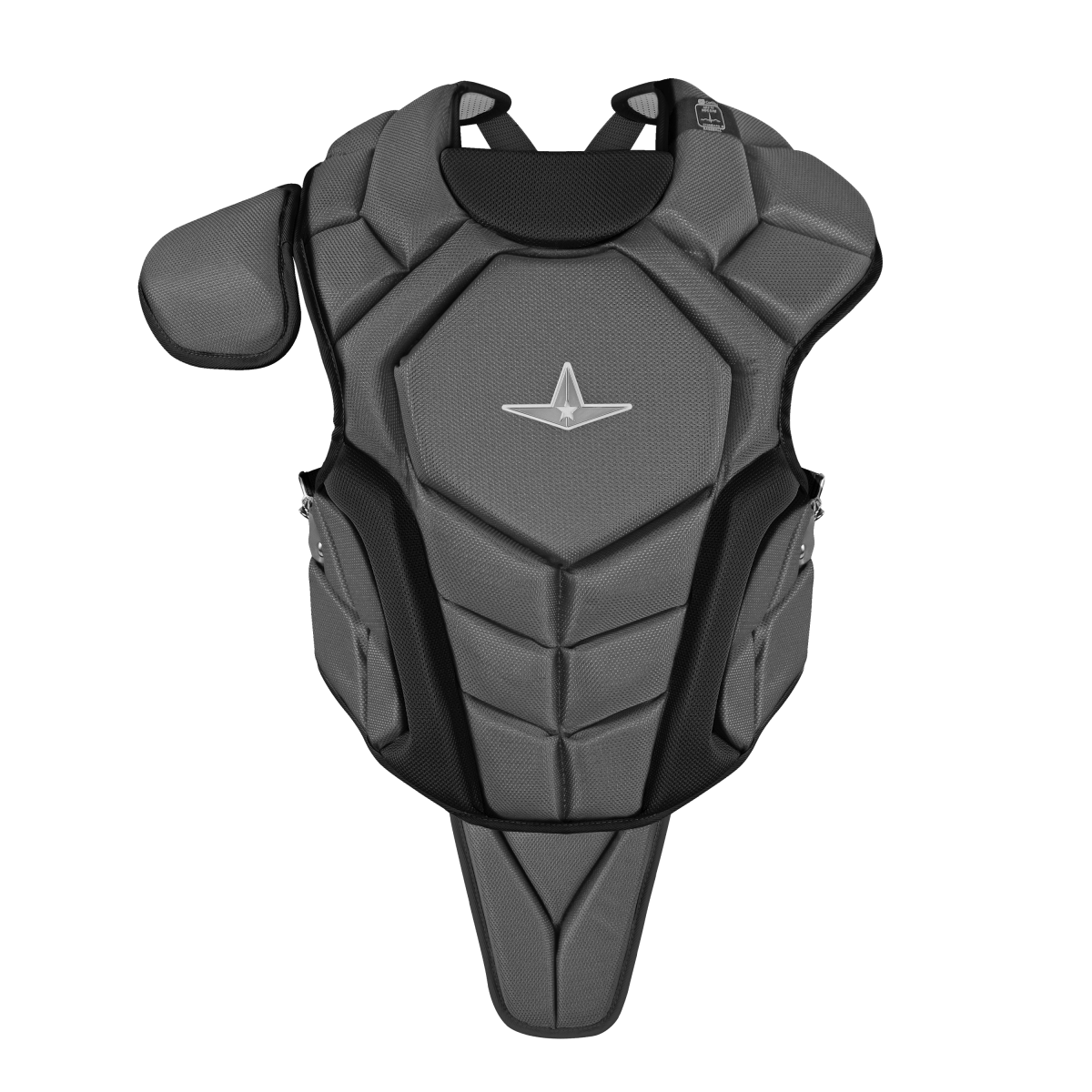
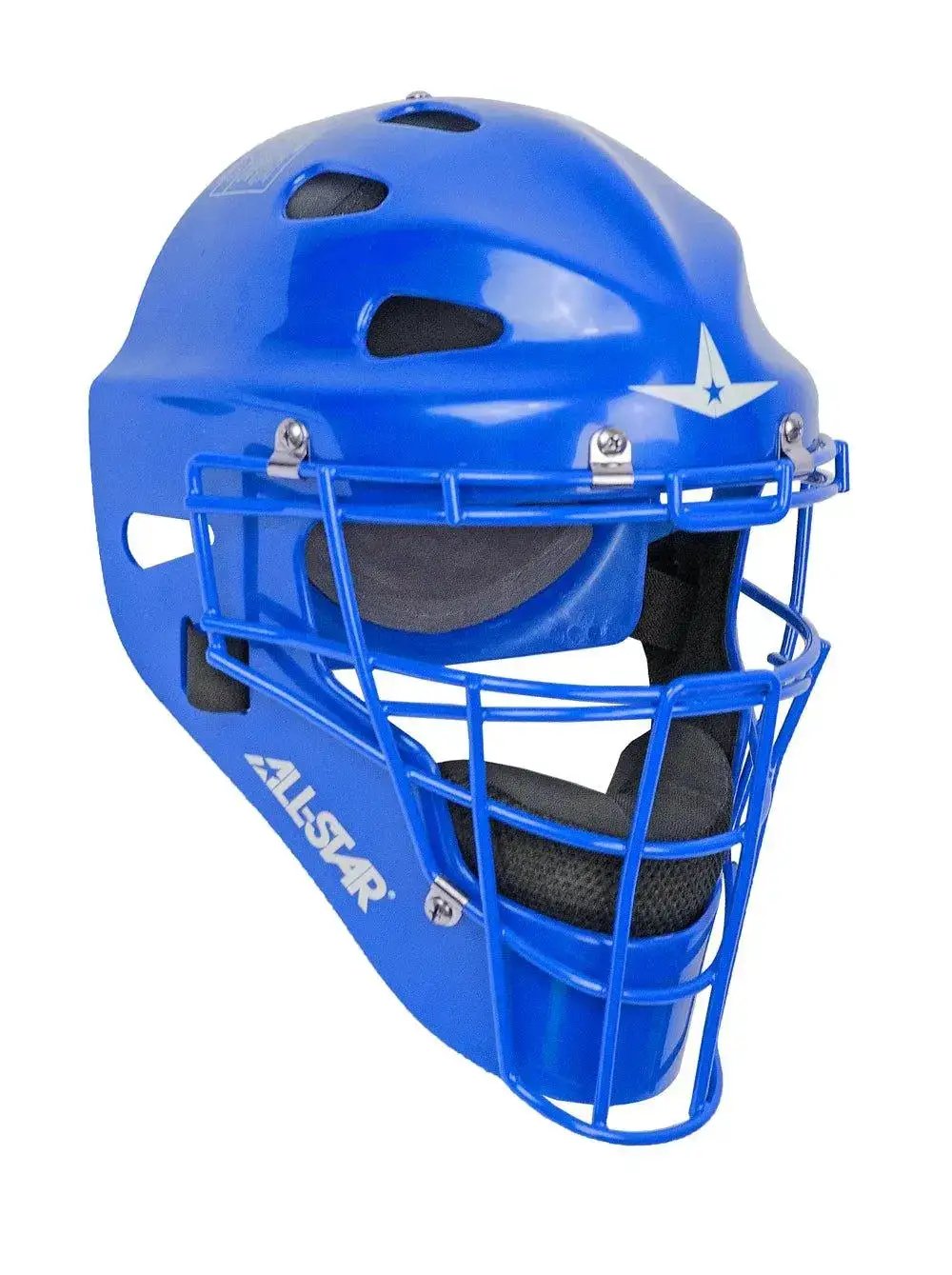
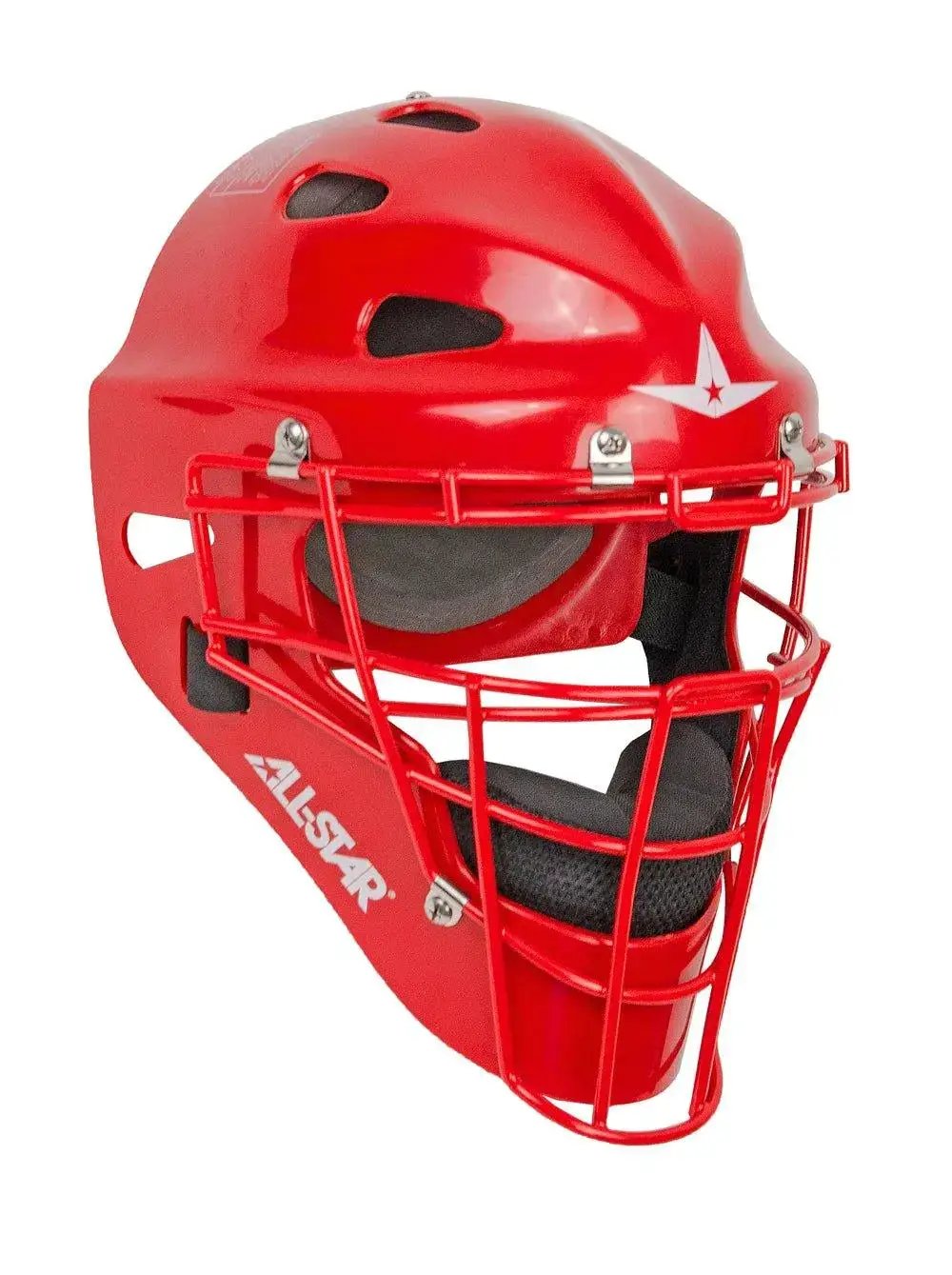
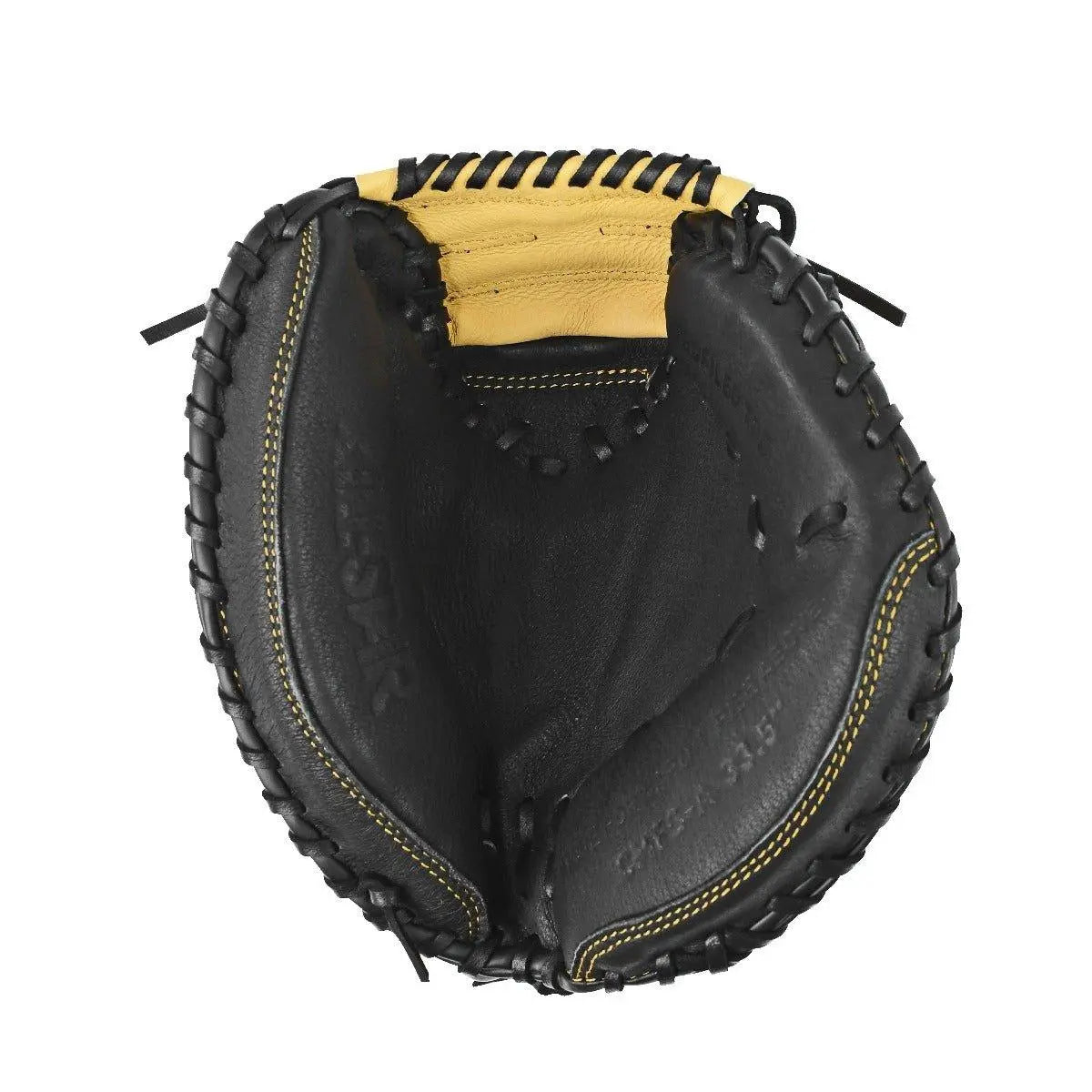
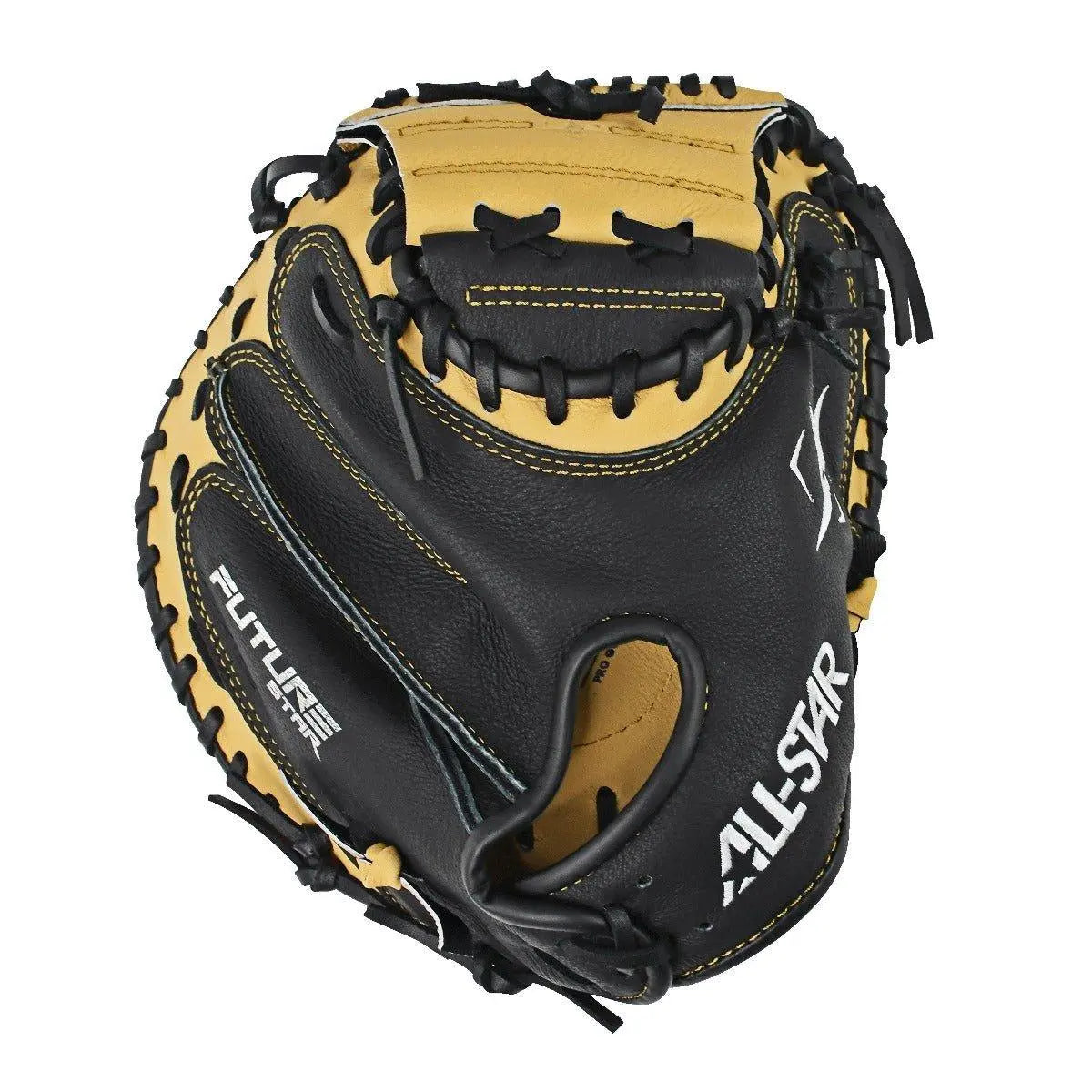
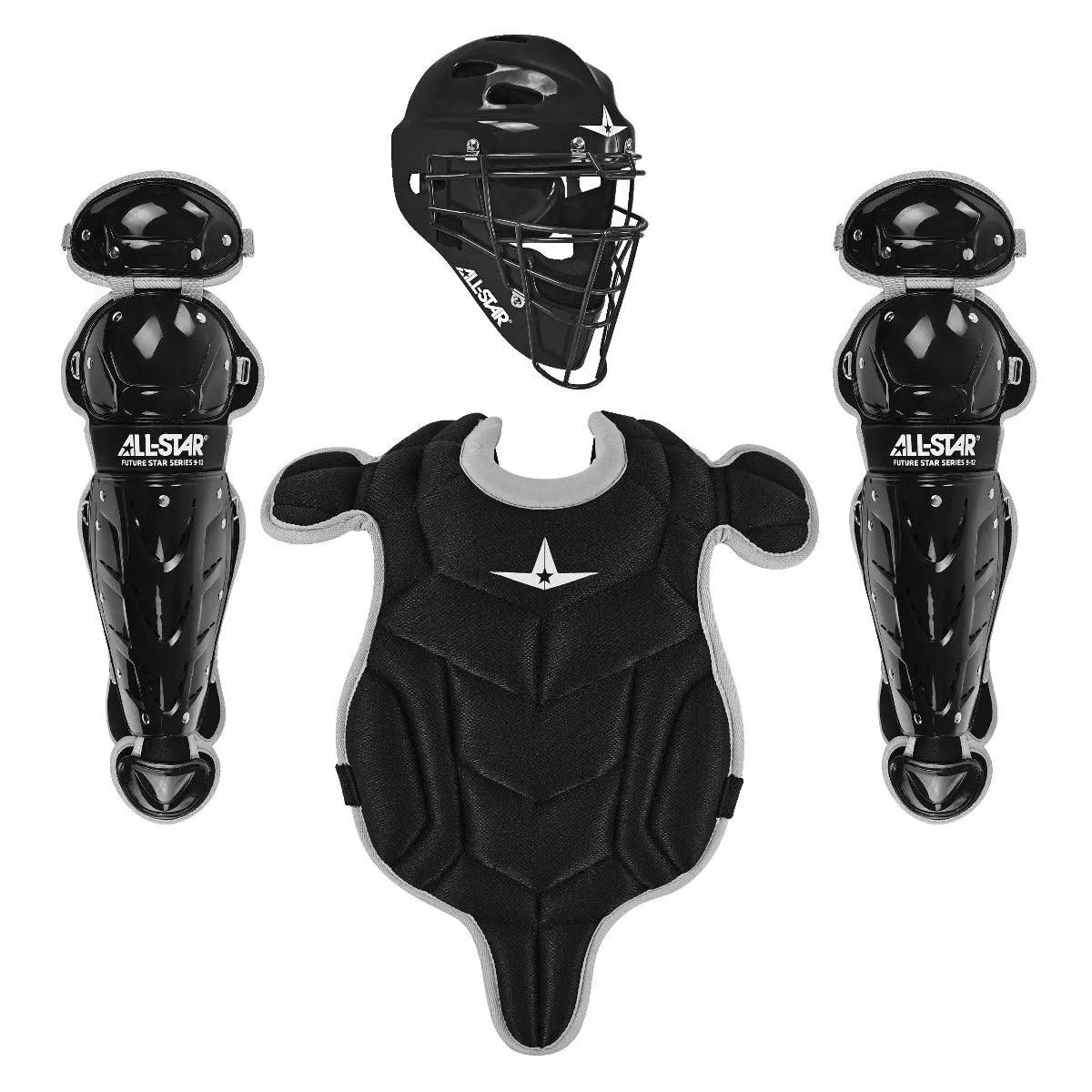
¡Encuentra el mejor equipo de receptor de béisbol en SPC Sports! Desde cascos y petos protectores hasta protectores de pierna, de garganta y guantes, ofrecemos equipo de alta calidad diseñado para una máxima protección, comodidad y durabilidad. Compra marcas de confianza como Rawlings, Wilson, All-Star, Mizuno y Easton para mantenerte seguro y rendir al máximo detrás del plato.

Free Shipping

On all orders over $100

Special Offers

Regular Sales and discounts

Easy Returns

Hassle Free Return Policy

Vip News Letter

Sign up and stay up to date

Frequently Asked Questions

  • A complete catcher setup includes a helmet (with integrated or separate face mask), a chest protector, leg guards, and a catcher's mitt. Most leagues also require a throat guard extension for the mask. Optional accessories include knee savers, wrist guards, and a catcher bag.

  • Yes. NOCSAE certification is required for catcher helmets and chest protectors in virtually all organized youth and high school baseball leagues, including Little League, travel ball, and NFHS play. The NOCSAE mark is stamped inside the helmet and on the chest protector label.

  • A hockey-style helmet integrates the skull cap and face cage into one unit, providing consistent protection across the skull and jaw without the gaps possible in a two-piece setup. A traditional two-piece uses a separate skull cap and wire mask that can be adjusted independently. Most youth leagues now recommend the hockey-style. The two-piece style remains common at the high school, college, and professional levels.

  • Youth baseball catchers in the 7U to 12U range typically use a 30 to 32-inch mitt. Players 13 and up and high school catchers typically use a 32 to 33.5-inch mitt. A smaller mitt is easier for a developing catcher to close and control, which is why going smaller for beginning catchers is often better than going with the largest available size.

  • Measure from the top of the kneecap to the top of the ankle with the knee slightly bent in the catching position. Match that measurement to the shin length listed in the product specs. Youth models are typically 12 to 14 inches, high school models 14 to 16 inches, and adult models 16 to 17 inches.

  • Measure from the base of the collarbone to the waist with the player standing upright. Match that torso length to the product's size chart. Youth protectors run 10 to 13 inches, high school models 13 to 15 inches, and adult models 14 to 16 inches. The protector should cover the sternum and ribs completely without restricting throwing arm movement.

  • No. Rules in all organized baseball leagues require catchers to use a catcher's mitt behind the plate. A fielding glove cannot safely handle the velocity and volume of pitches over the course of a game and is not legal equipment in this position.

  • Knee savers are triangular foam pads that attach to the back straps of leg guards and reduce the depth of flex in the knee joint during the squat. They significantly reduce knee strain over a long catching session. They are widely used at the youth and adult recreational levels. Some high school and college coaches discourage their use because they can alter natural squat mechanics and receiving angles. Discuss with your player's coach if they are playing at a competitive level.

  • A skull cap is a lightweight cap worn under the wire mask, covering the crown and back of the head but leaving the face and ears exposed except through the mask. A full helmet covers the skull completely and integrates or pairs with a mask for full head coverage. Most youth organizations now require full helmet coverage rather than a skull cap for younger catchers.

  • Throat guard extensions attach to the bottom rail of a wire mask and protect the throat and neck from low foul tips. Most two-piece setups require a separately purchased throat guard. Check your mask's attachment rail compatibility when purchasing an extension. Some leagues explicitly require throat guards for catchers in youth divisions.

  • We carry All-Star complete catcher sets in youth and adult sizing, including the MVP2000, MVP2500, and Pro Elite models. All-Star is one of the most widely used catcher gear brands at every level from rec youth through high school and adult competitive play.

  • Replace the helmet after any significant direct impact, regardless of visible damage. Most manufacturers recommend helmet replacement every five to seven years due to foam degradation. Chest protectors and leg guards should be replaced when foam padding compresses visibly or straps lose the ability to hold a secure fit. Inspect all pieces at the start of each season.

  • Chest protectors and leg guard shells can be wiped clean with a damp cloth and mild soap. Avoid soaking foam-padded components in water. Helmet interiors can be cleaned with a mild disinfectant wipe. Air dry all pieces completely before storage to prevent mold and mildew in the foam.

  • Yes. Youth sets are designed to be lighter to accommodate smaller players and reduce fatigue during long practices. Adult sets are heavier due to more padding and larger protective coverage areas. Weight is listed in most product specifications. For developing youth catchers, a lighter set allows better mobility and encourages proper receiving mechanics without the added load of adult-sized equipment.

  • We carry throat guard extensions, knee savers, replacement buckles, wrist guards, throw down bases for practice, and catcher bags for transporting protective gear.