Athletes in custom uniforms

Build Custom Team Uniforms

Design online in minutes.
Submit for a quote.

Shop Now
139 products
Sort by
Filter

Filter

  • Sale
1 2 3 4 Next page

More About Fastpitch Catcher's Gear

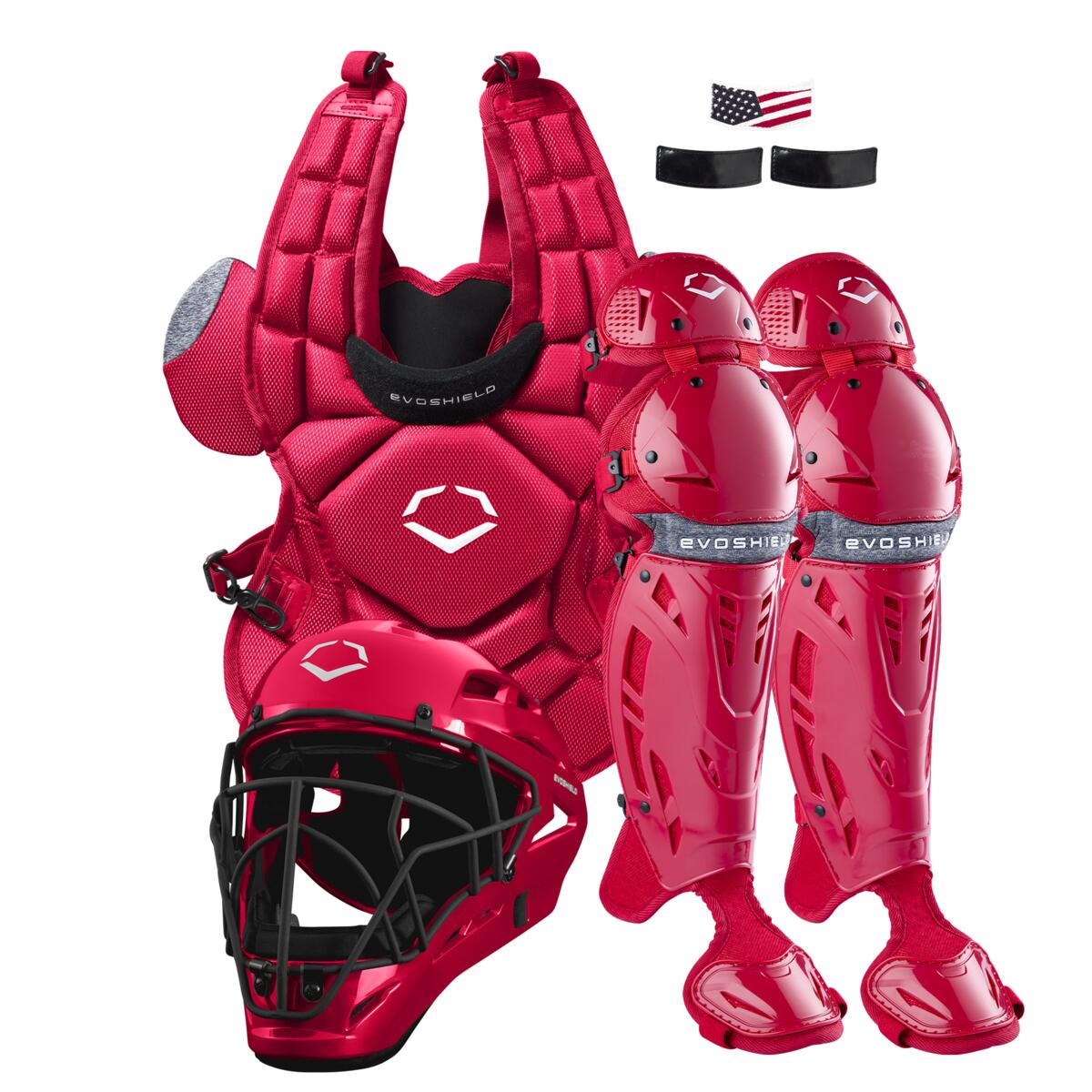
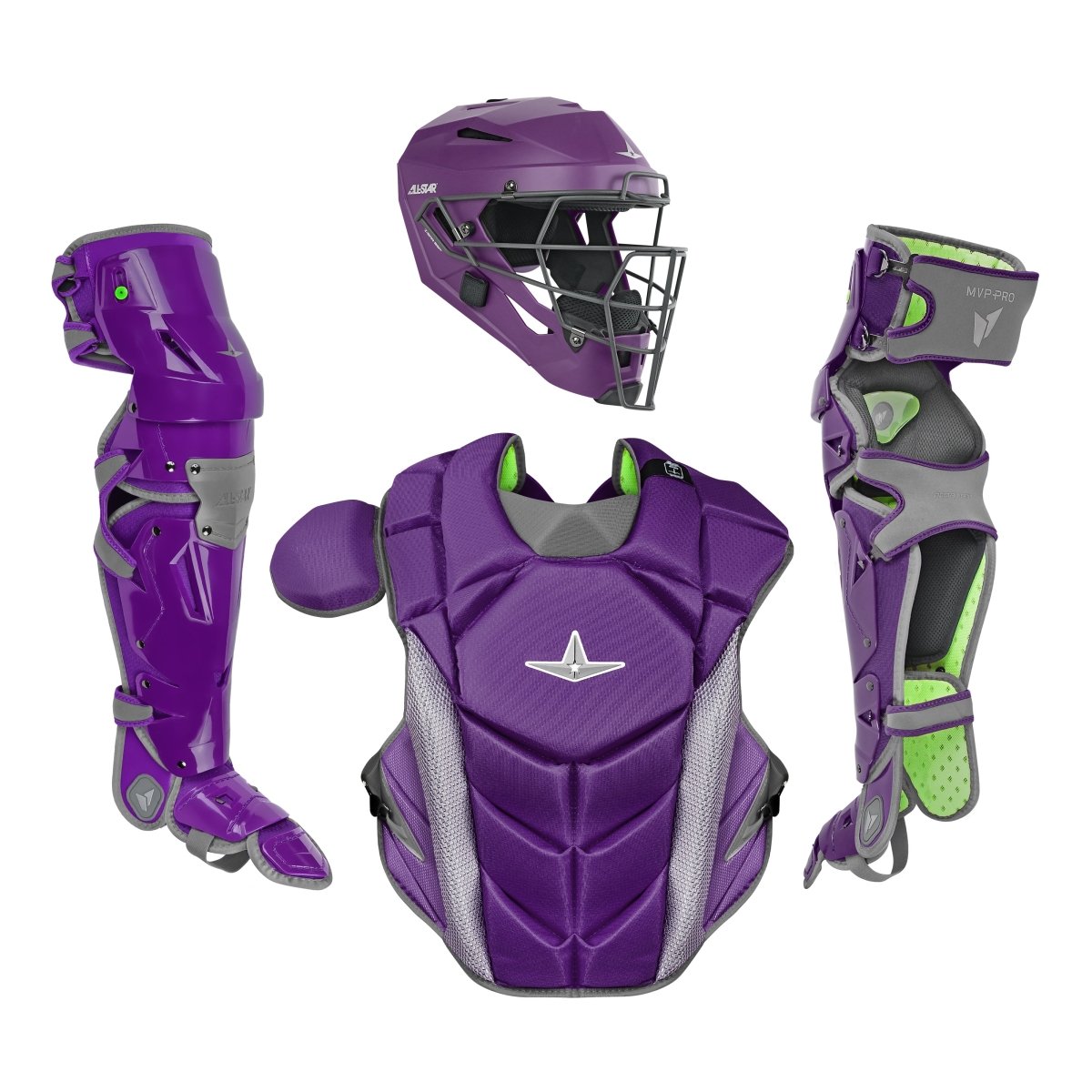
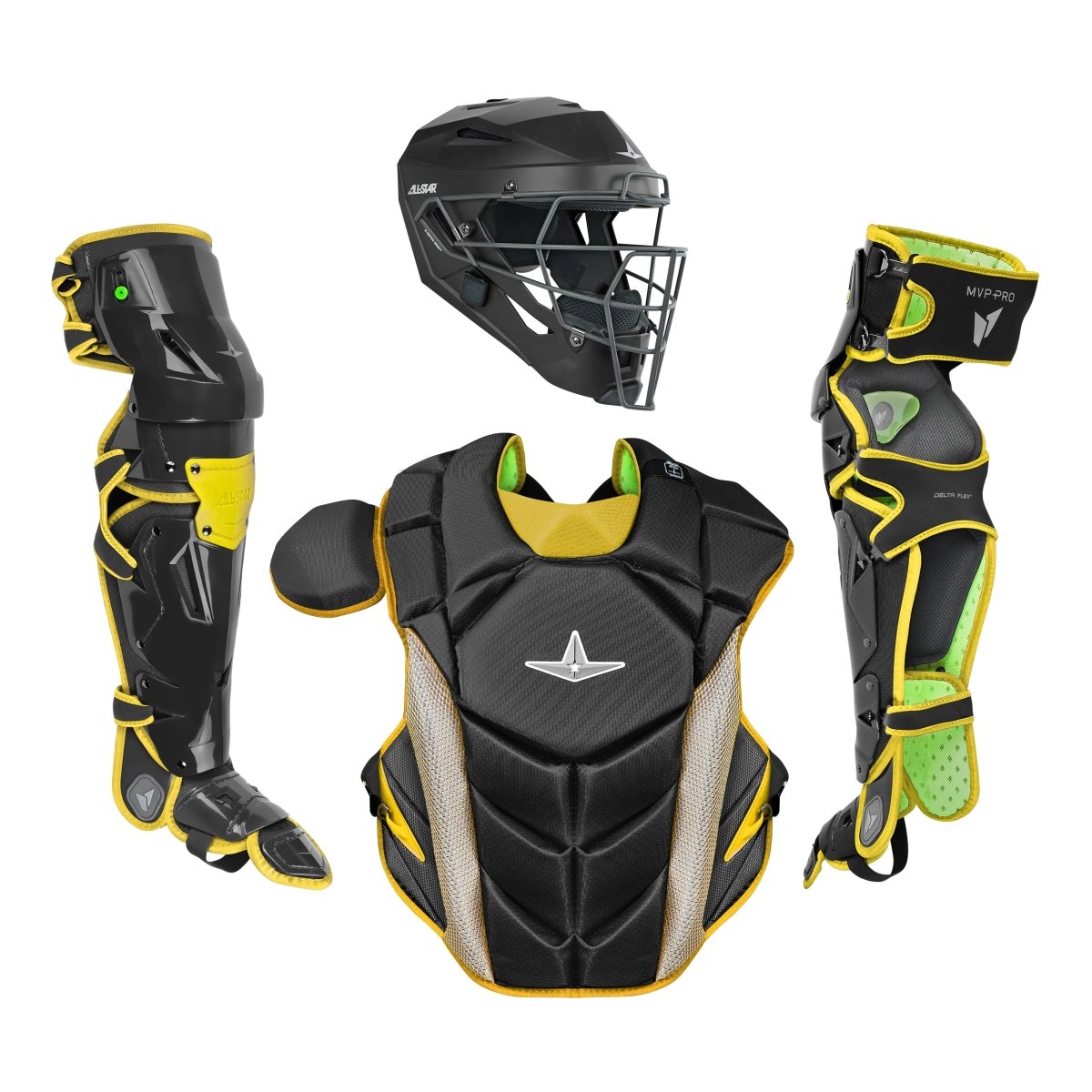
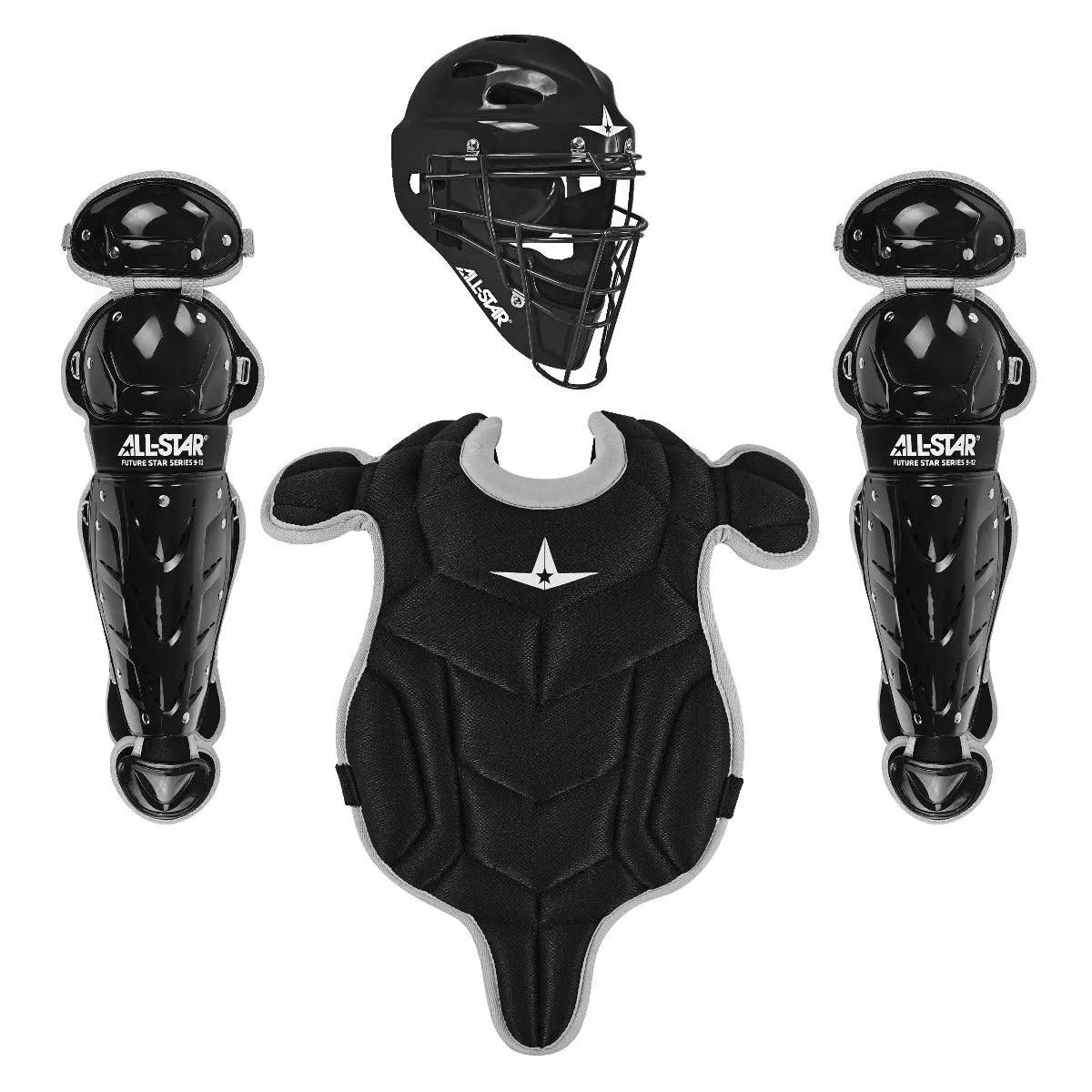
The catcher takes more punishment than any other player on the field. At SPC Sports, we stock fastpitch catcher's gear built to handle that job, including full catcher sets, helmets, chest protectors, leg guards, catcher's mitts, and catcher accessories from All-Star, Easton, Rawlings, Mizuno, and more. Whether you need a complete set for a new catcher just starting out or individual replacement pieces for an experienced player, we have what you need at every price point.

Complete Catcher Sets vs. Individual Pieces

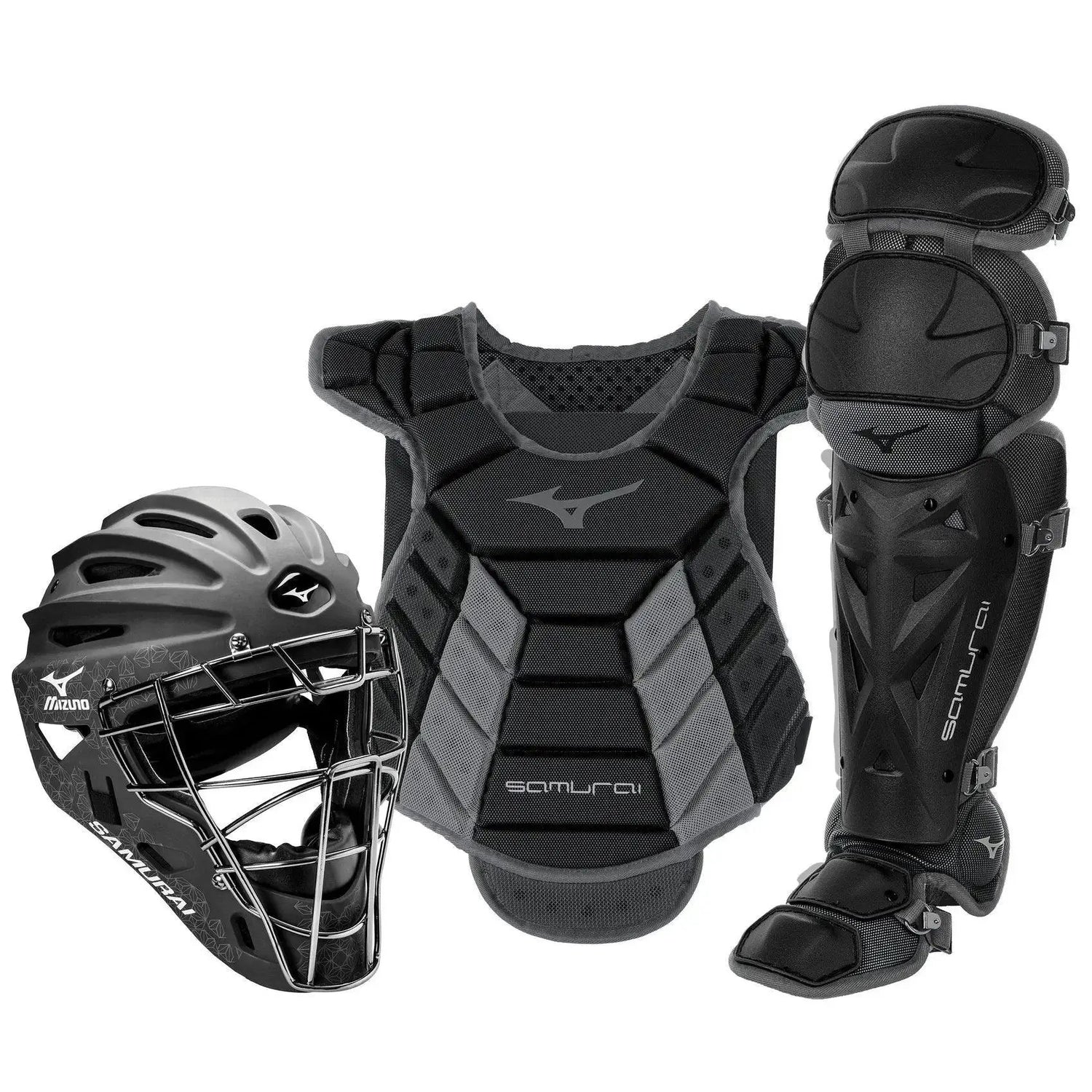
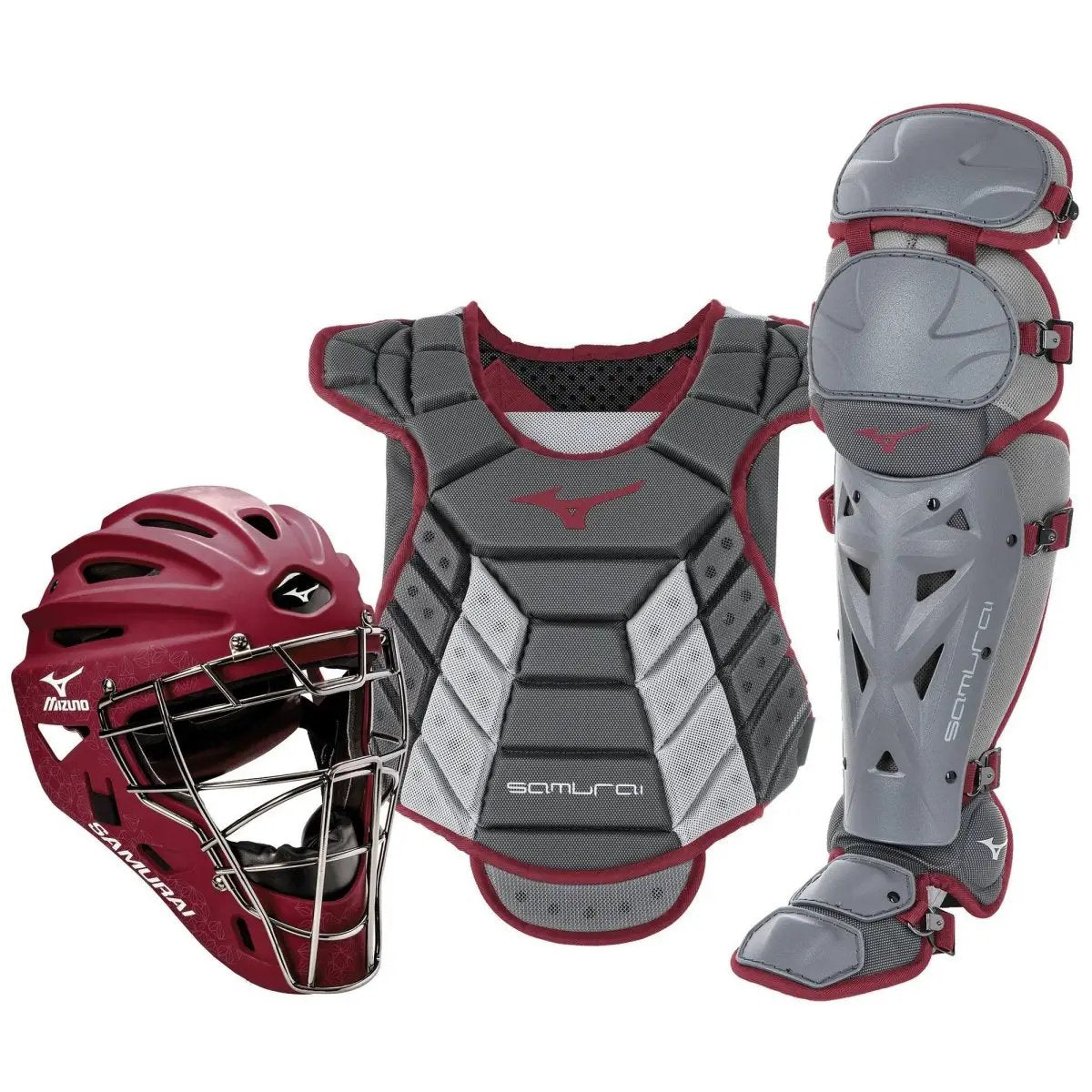
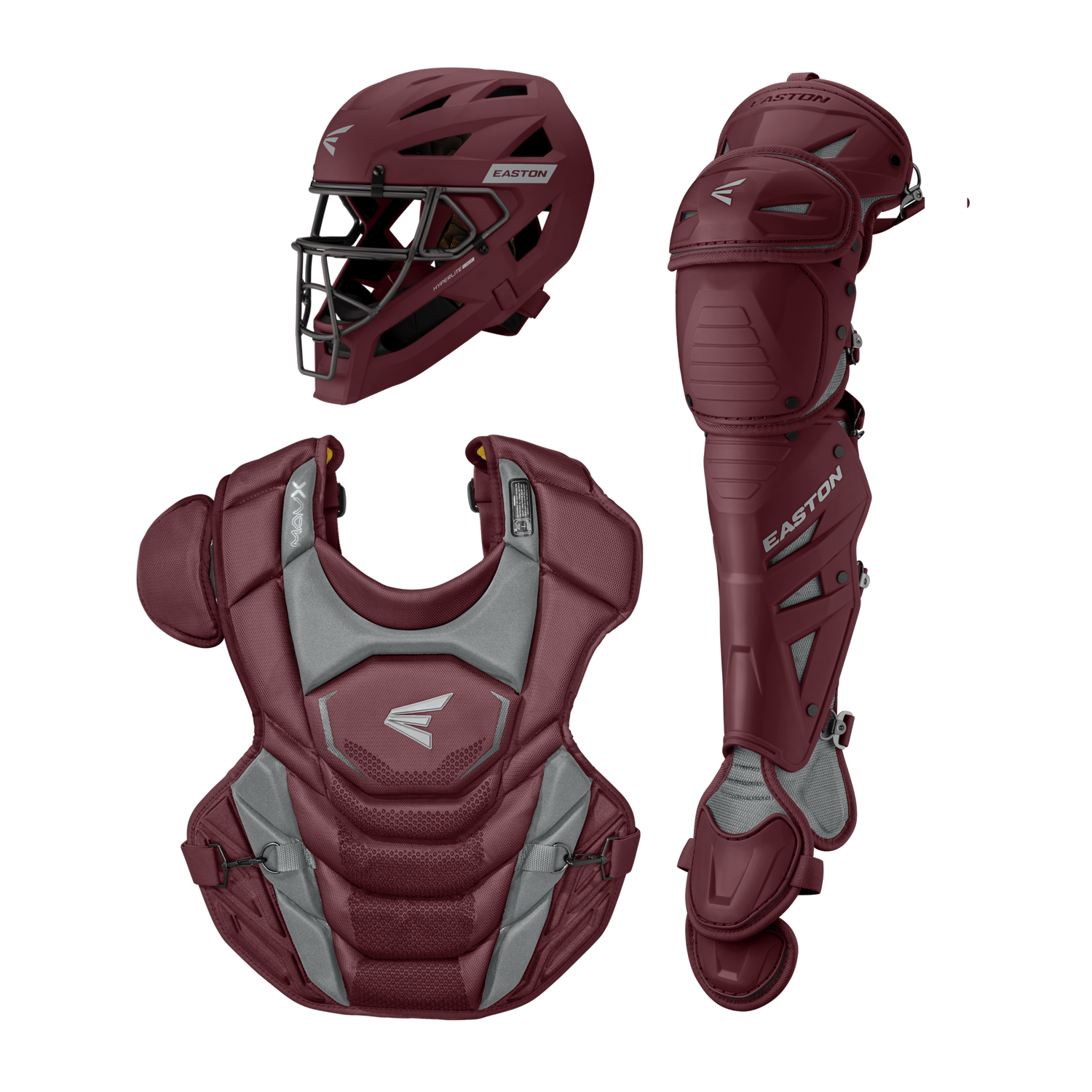
If you are outfitting a catcher for the first time, a complete catcher set is usually the most cost-effective option. Sets typically include a helmet, chest protector, and leg guards sized to fit together. All-Star catcher sets are consistently among the best sellers in this category, and their sizing runs true for youth through adult players.

For players who already own one or more pieces, we carry each component individually so you can upgrade selectively without replacing the whole kit.

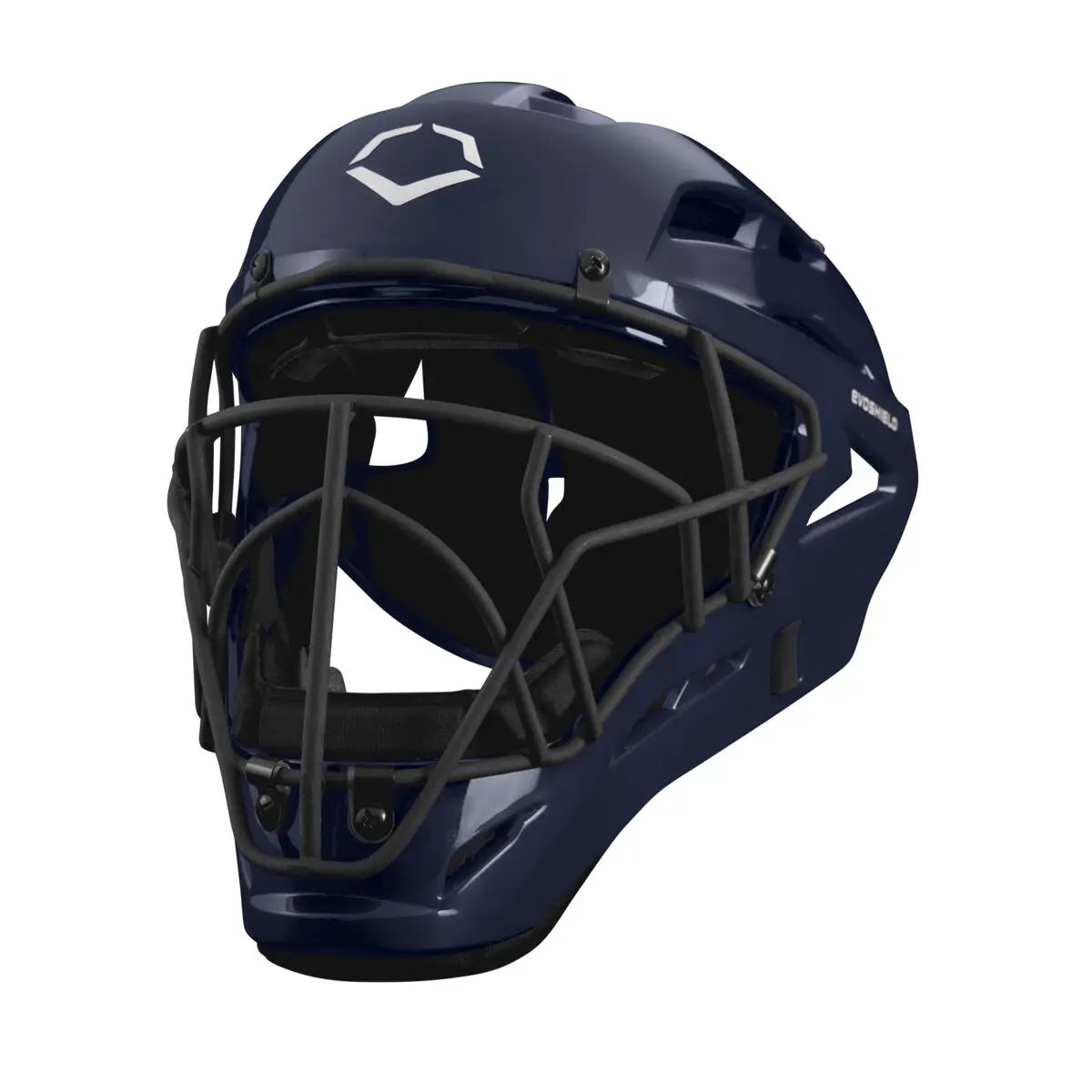
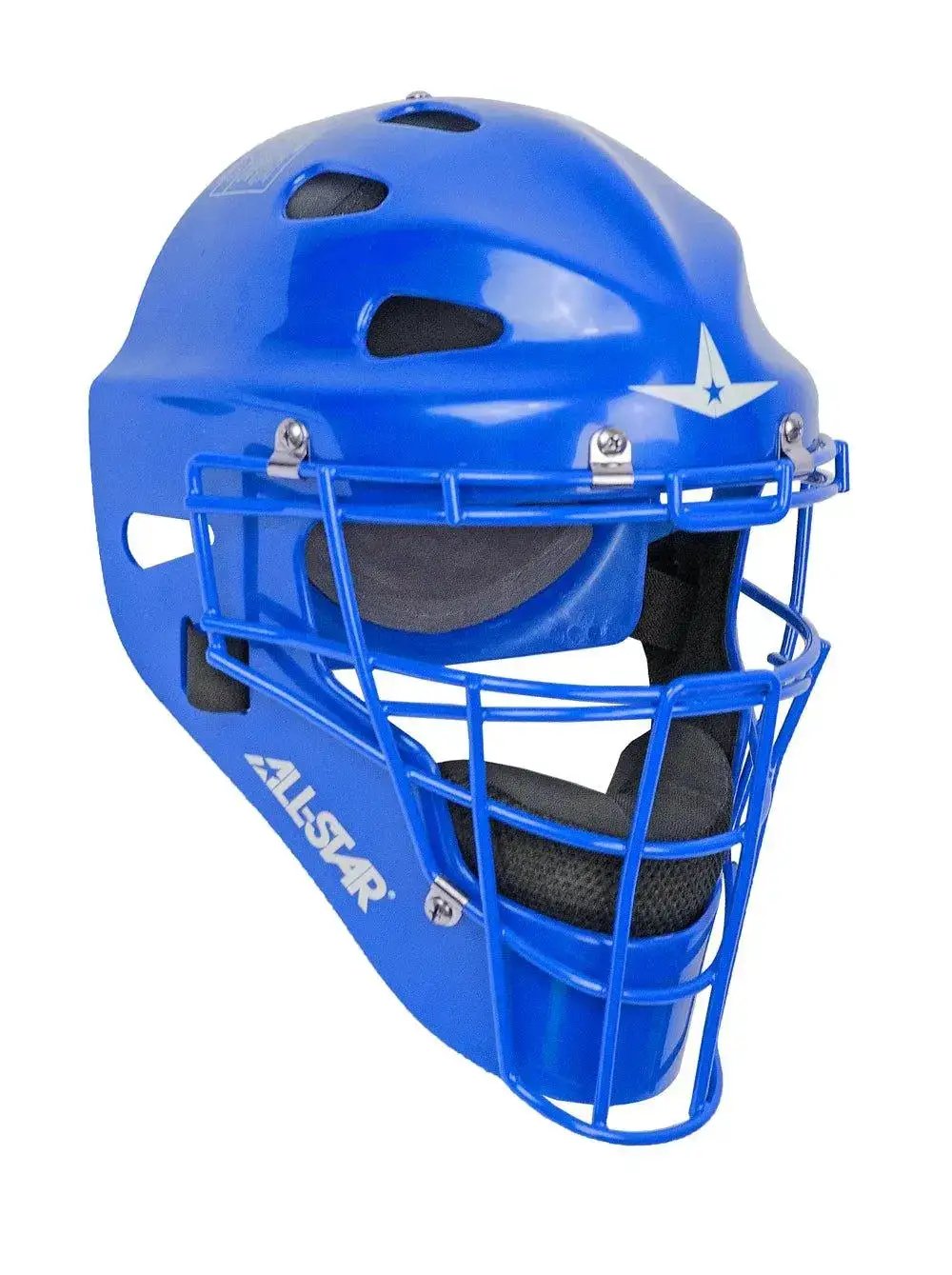
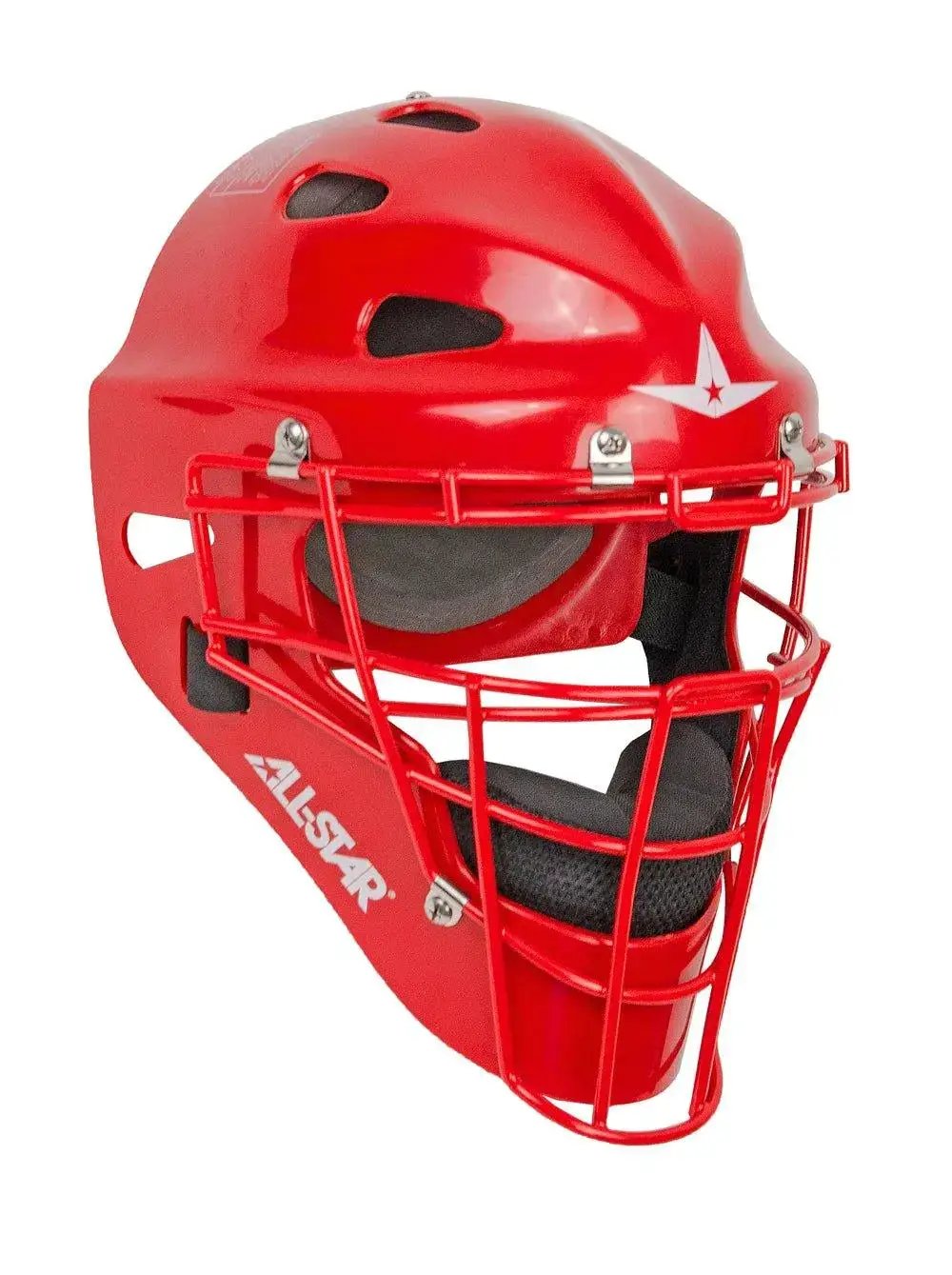
Catcher Helmets

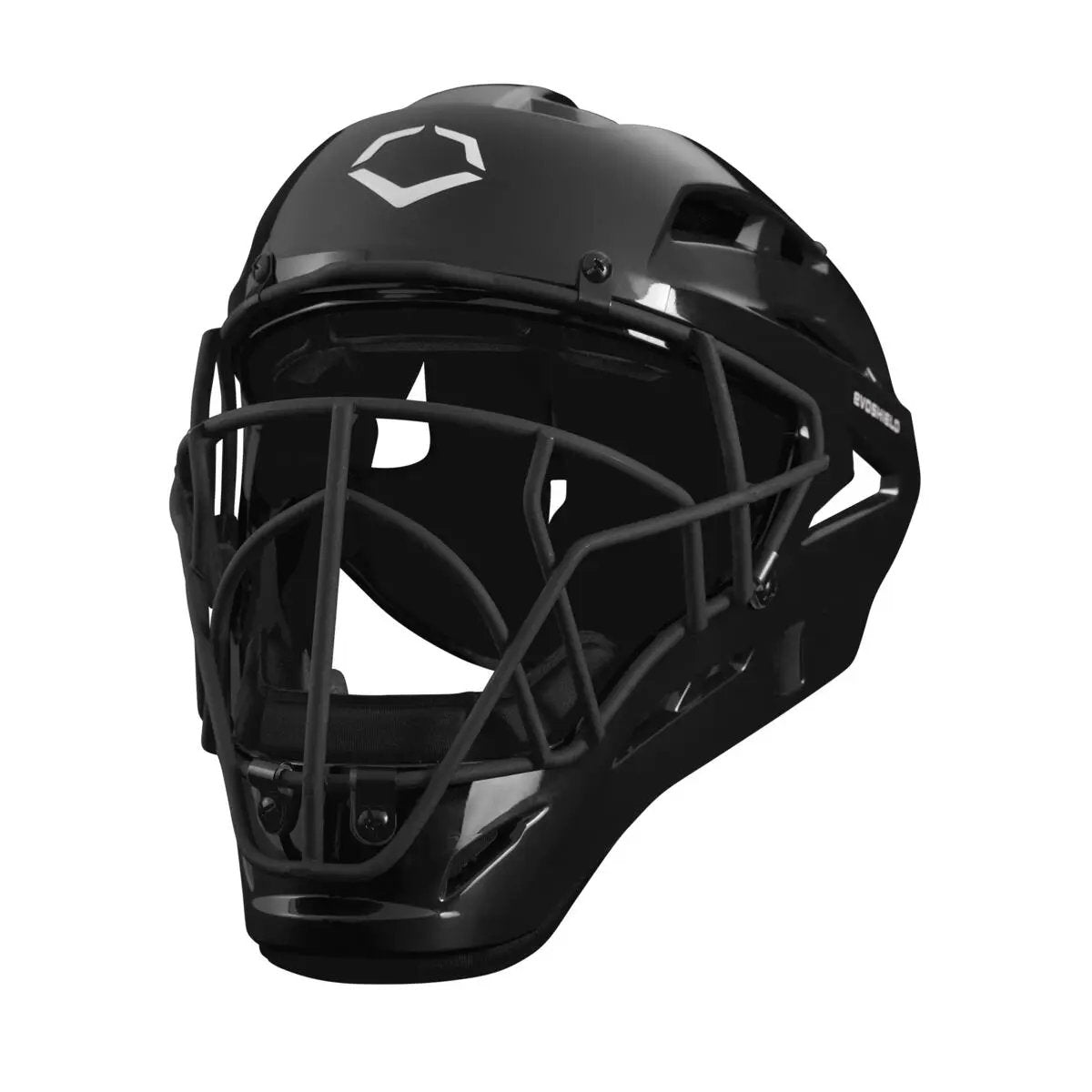
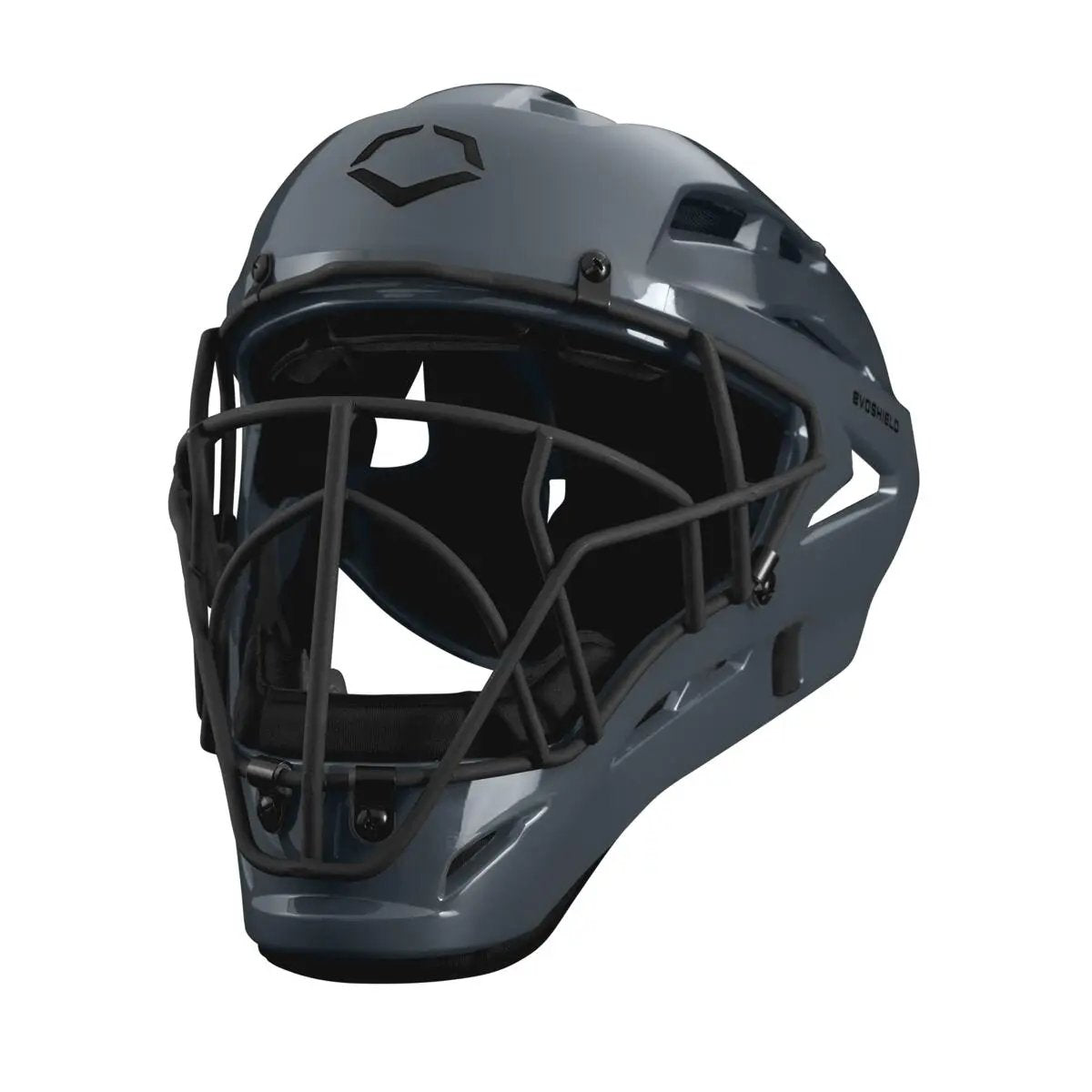
A fastpitch catcher's helmet is not the same as a batting helmet. It is a full-coverage helmet or skull cap paired with a separate face mask, or an integrated helmet-mask combination. NOCSAE-certified helmets are required in most sanctioned leagues. Our helmet section includes options for youth, high school, and adult catchers, with models that use a traditional two-piece design as well as more compact one-piece styles.

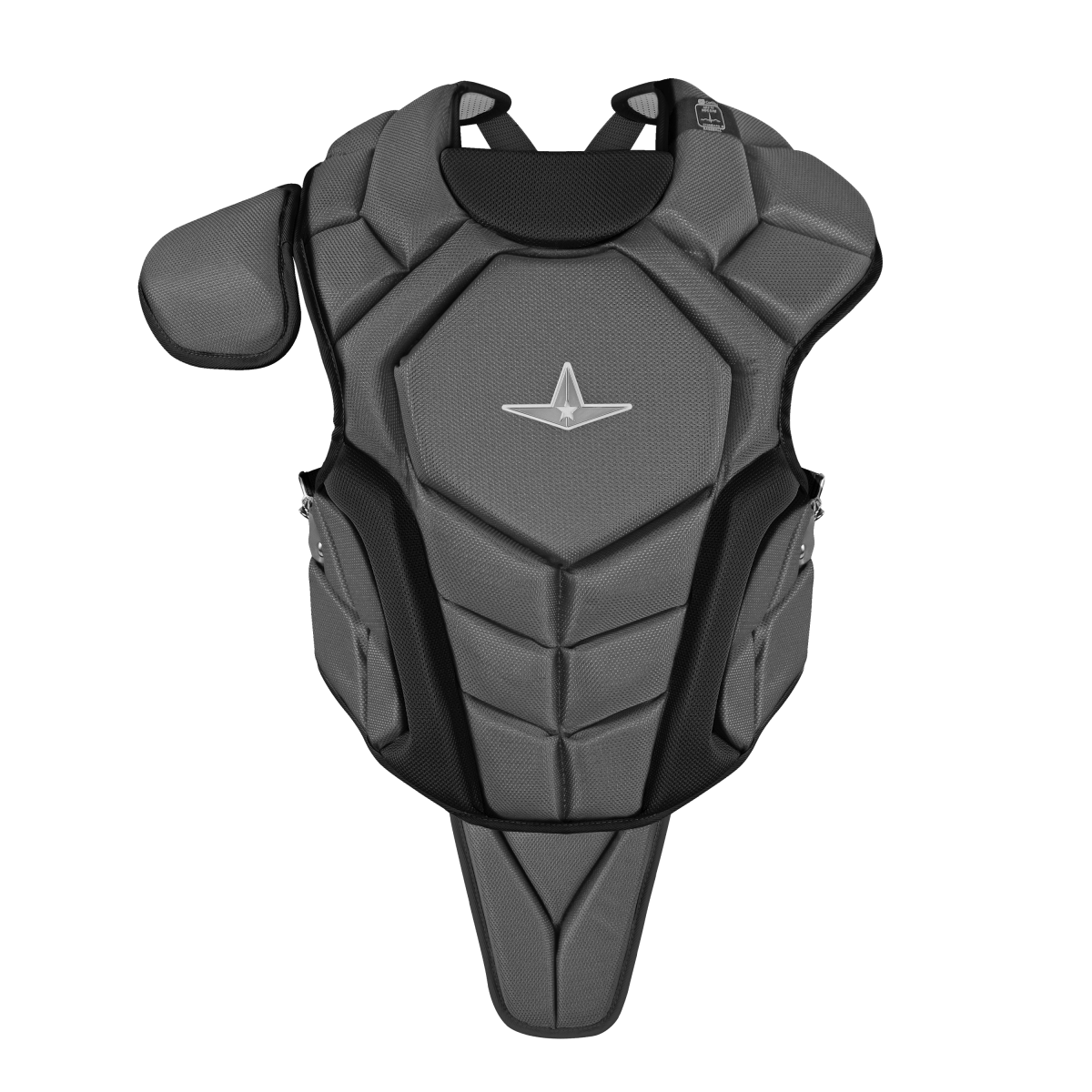
Chest Protectors

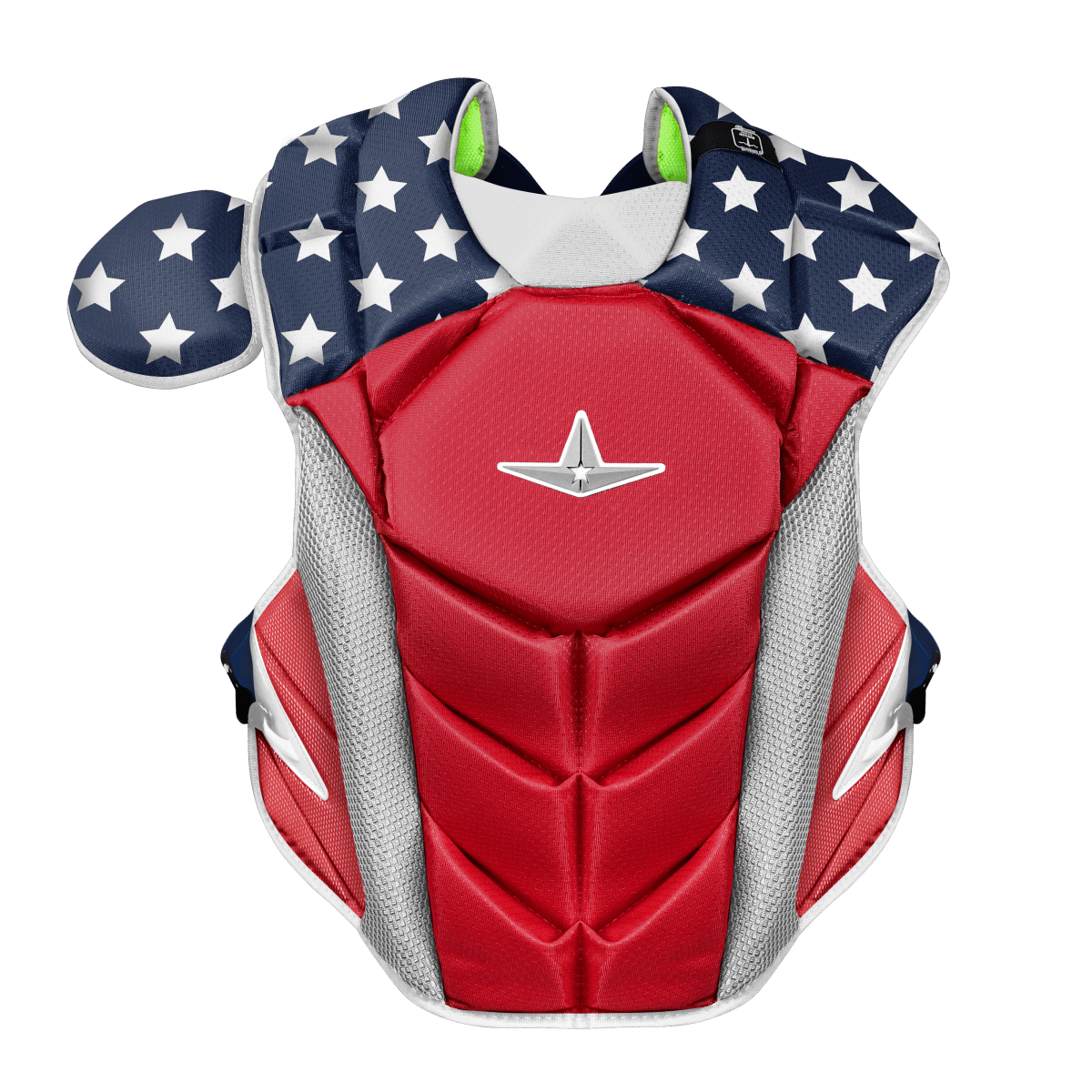
A good chest protector protects the sternum, ribs, and collarbone while allowing full arm movement for blocking and throwing. Look for models with adjustable shoulder flaps and hard-shell inserts over the sternum. Sizing typically runs by torso length in inches, so measure from collarbone to waist before ordering.

Leg Guards

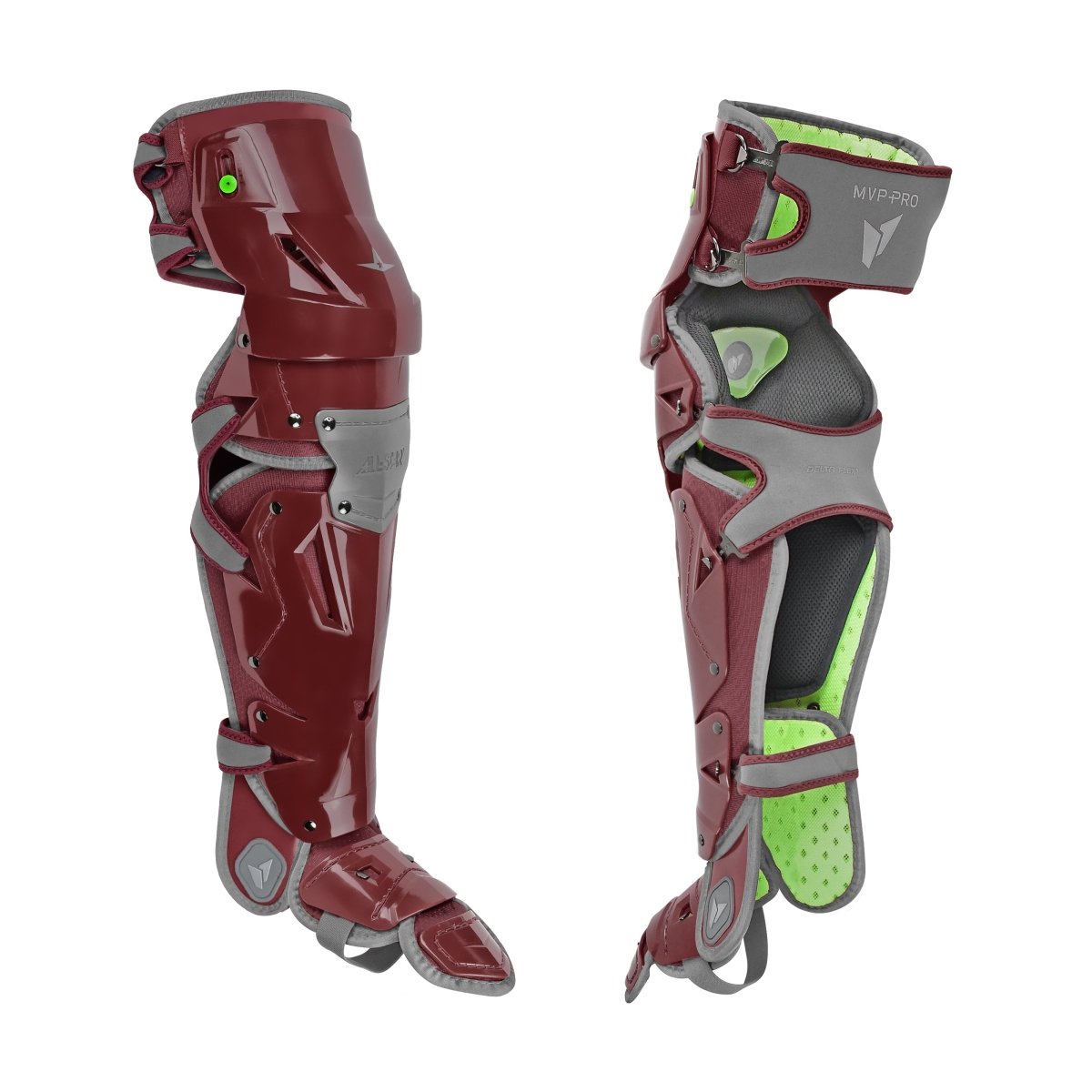
Leg guards protect the knees, shins, and ankles during blocking and framing. Most guards use a three-segment construction with knee wings that adjust for blocking position. Sizing is by height or inseam measurement. Youth models are typically 13 to 14 inches, high school models 15 to 16 inches, and adult models 16 to 17 inches.

Catcher's Mitts

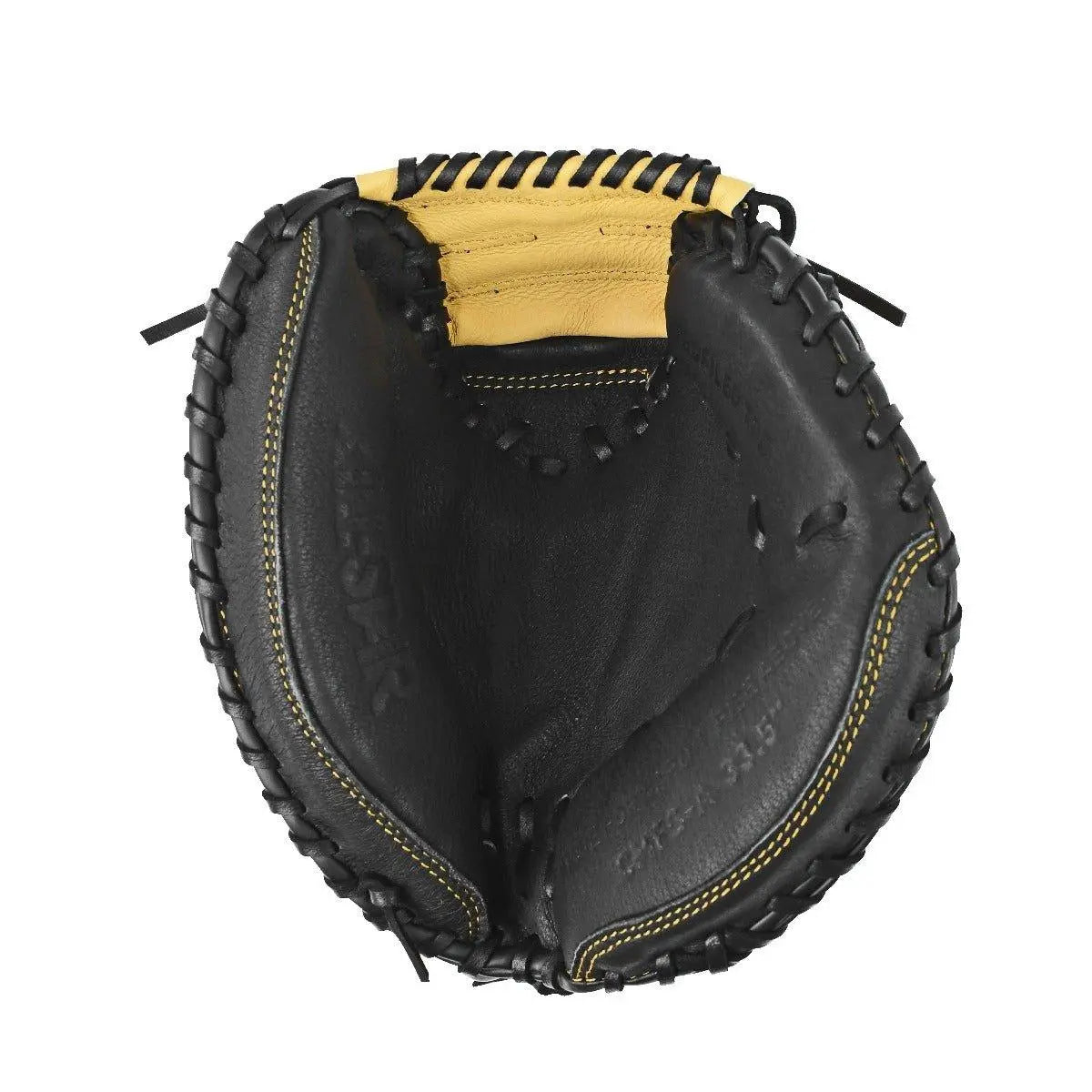
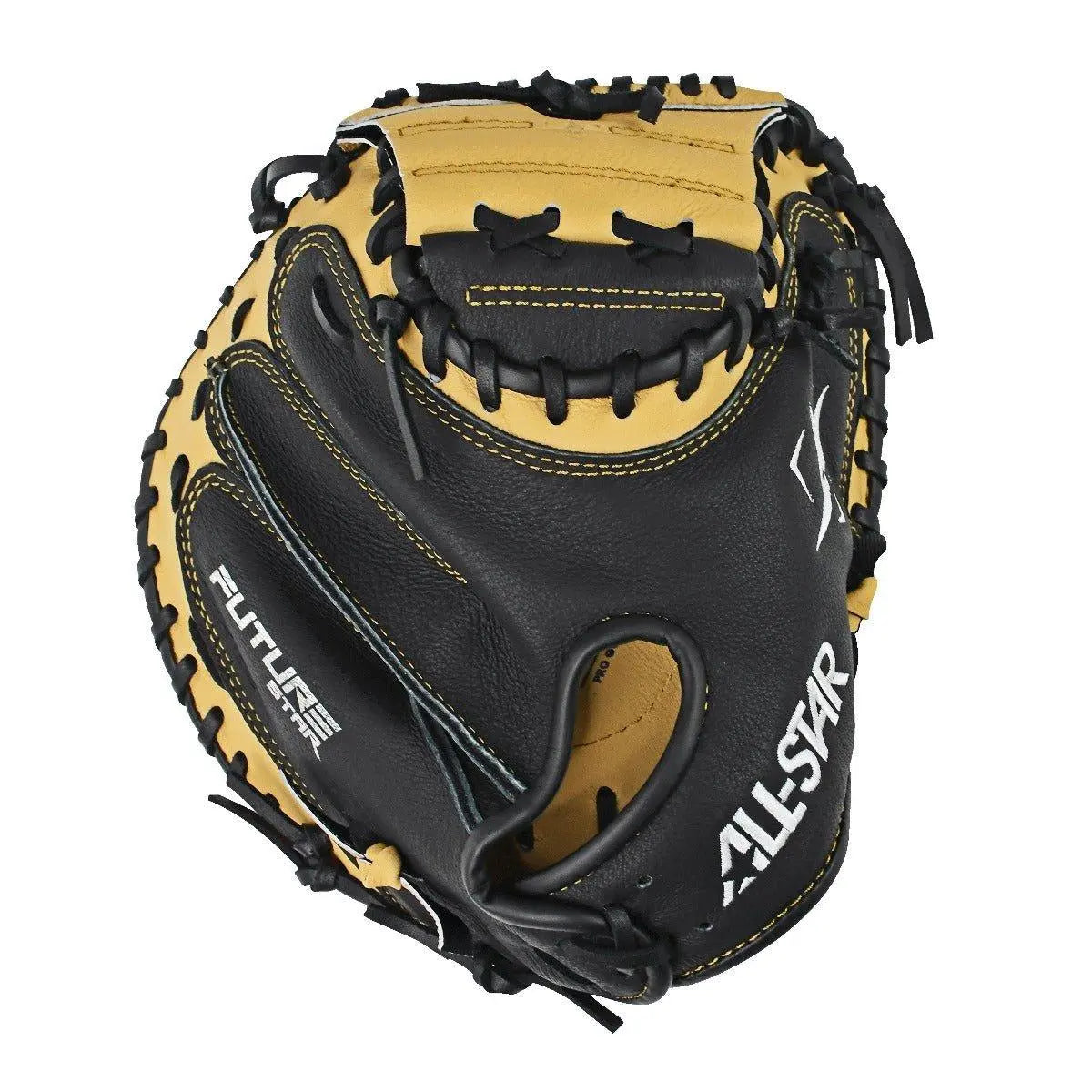
A catcher's mitt is sized differently from a field glove. Fastpitch catchers generally use a 32 to 33-inch mitt. The pocket depth and break-in stiffness will vary by brand. Wilson and All-Star mitts are popular at the competitive level, while Rawlings offers a strong entry-level option in the R9 line.

Catcher Accessories

Our accessories section covers throwdown bases, catchers bags, shin guard toe extensions, and replacement buckles.

Related Categories

Fastpitch Helmets | Fastpitch Gloves | Fastpitch Bags | Fastpitch Softballs

From the SPC Sports Blog

Free Shipping

On all orders over $100

Special Offers

Regular Sales and discounts

Easy Returns

Hassle Free Return Policy

Vip News Letter

Sign up and stay up to date

Frequently Asked Questions

  • A complete setup includes a catcher's helmet (with integrated or separate face mask), a chest protector, leg guards, a catcher's mitt, and optional accessories like a throat guard, knee savers, and a catcher bag. Most leagues require all four primary pieces for any player catching in a game.

  • Yes. Most sanctioned fastpitch leagues, including USA Softball and USSSA, require NOCSAE-certified helmets and chest protectors. The certification mark is printed inside the helmet and on the chest protector label. Always verify certification on the product listing before purchasing for game use.

  • A hockey-style helmet integrates the skull cap and face cage into one unit, offering consistent rear skull and jaw coverage without gaps. A traditional two-piece system uses a separate skull cap and wire mask that can be adjusted independently. Most youth leagues now recommend the hockey-style for more complete protection. The two-piece is still used at the college and professional levels where fit precision is managed by trained staff.

  • Measure from the base of the collarbone to the top of the waist with the player standing upright. Match that torso length in inches to the chest protector sizing chart. Youth protectors typically run 10 to 13 inches, high school models 14 to 15 inches, and adult models 15 to 17 inches. A properly fitted protector should cover the sternum and ribs without restricting arm movement for throws.

  • Stand with a slight bend at the knee in the catching stance. Measure from the top of the kneecap to the top of the ankle bone. Match that measurement to the shin length listed on the leg guard product page. Most youth players fall in the 12 to 14-inch range, high school players 14 to 16 inches, and adults 16 to 17 inches.

  • Yes. Catchers can wear the same cleats as other players. Some catchers prefer a low-cut or mid-cut cleat with extra ankle support because of the repetitive squatting motion. Metal cleats are allowed for catchers in leagues that permit metal spikes for the team, subject to the same age and league rules as other players.

  • Knee savers are triangular foam wedges that attach to the back of leg guards and reduce the range of flex in the knee during the squat position. They reduce strain on the knee joint over a long game or tournament day. They are widely used at the youth and rec levels. Some coaches at the competitive high school and college level discourage them because they can alter natural squat mechanics. Discuss with the player's coach before purchasing for a competitive-level catcher.

  • Most youth fastpitch catchers in the 10U to 12U age range use a 31.5 to 32.5-inch mitt. Younger players may start at 31 inches for easier closing. A smaller mitt is easier for developing catchers to control and frame, which is why sizing down slightly is common for players who are new to the position.

  • Separate throat guards attach to the bottom rail of a wire face mask and protect the throat and neck from low foul tips. Most two-piece catcher setups require a separately purchased throat guard. Some masks include a dangling throat guard, but standalone extensions are also available if the included guard is too short. NOCSAE standards now recommend throat guard use for all youth catchers.

  • Most chest protector shells are wiped clean with a damp cloth rather than machine washed. Shoulder straps and harness systems can typically be cleaned with mild soap and water. Check the care instructions on the specific product label. Submerging a foam-padded protector in water can cause the foam to break down over time.

  • All-Star is consistently the most popular brand for youth fastpitch catcher's gear, with complete sets that balance protection, weight, and durability at appropriate price points for developing players. Rawlings and Easton also offer strong youth gear options. At the high school and competitive travel ball level, All-Star Pro Elite and Wilson are the most commonly used brands.

  • Helmets should be replaced after any significant direct impact, regardless of visible damage. Foam padding in helmets degrades over time and most manufacturers recommend replacement every five to seven years even without a known impact. Chest protectors and leg guards should be replaced when the foam padding compresses visibly or when straps lose their ability to hold a secure fit.

  • No. Leg guards are ready to use immediately. The knee and shin hardware may feel slightly stiff when new but loosens naturally through use. Most modern leg guards use a multi-segment jointed construction that does not require any conditioning before game use.

  • Beyond the core four pieces, catchers commonly carry a throat guard, a pair of knee savers, a batting helmet for at-bats, batting gloves, a catcher's mitt, a backup mitt, replacement buckles for straps, and a dedicated catcher bag for transporting all of it.

  • It is not required, but a catcher bag's wider and taller dimensions make it much easier to transport leg guards and a chest protector without bending or cramming the gear. Players who catch regularly and carry a full set of gear to every practice and game benefit significantly from a dedicated bag.